Articles
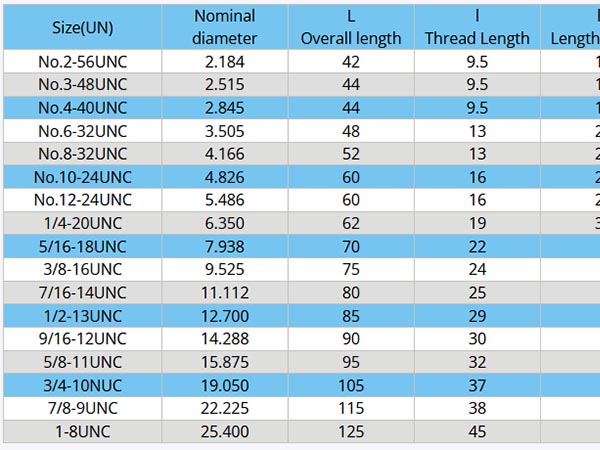
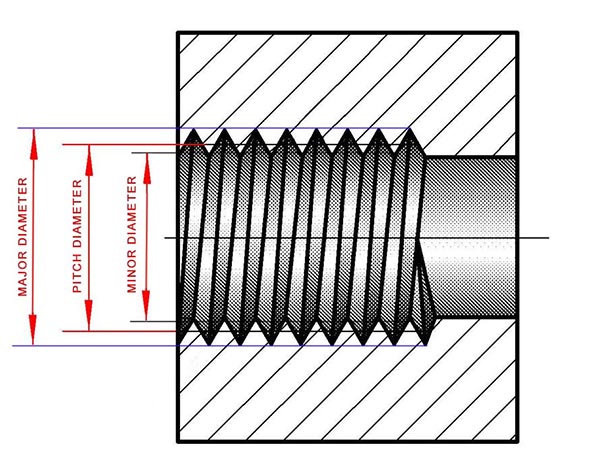
As global manufacturing shifts toward greater precision, American Unified Thread Standards (ANSI/UN) have become essential in mechanical fastening. The dimensional accuracy of these threads directly affects tool performance and equipment reliability.
Metric threads are among the most widely used thread standards in machining. For manufacturers and users of metal cutting tools, understanding these parameters is not only fundamental to tool design but also critical to ensuring machining quality.
In the realm of custom cutting tool manufacturing, a well-completed request form is the crucial link between design and production. A well-structured non-standard cutting tool request form is both a technical document and a quality contract.
In the ongoing wave of technological evolution in the field of precision machining, High-Speed Steel (HSS) cutting tools have retained an unshakable strategic position.
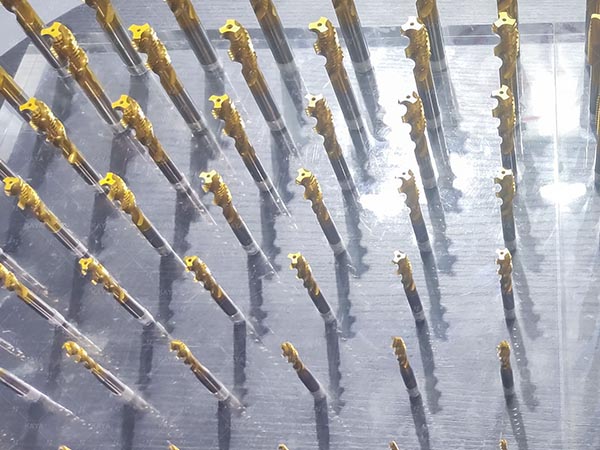
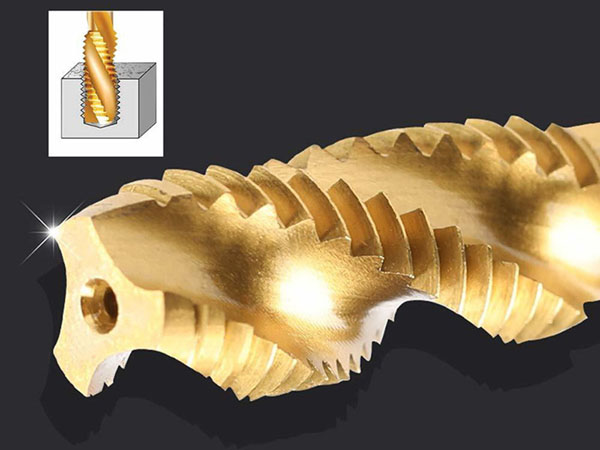
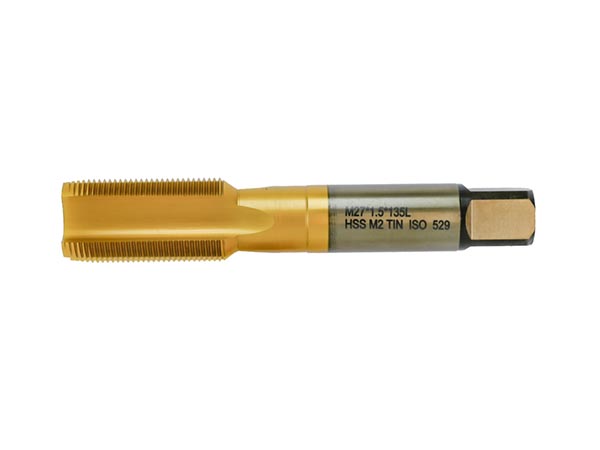
Coated taps, with coatings like TiN, TiAlN, and AlCrN, enhance tool life, reduce friction, and improve cutting stability in high-temperature and dry cutting environments, making them ideal for machining difficult materials.
The global HSS cutting tools market has seen steady growth, driven by advancements in manufacturing and rising demand in industries like automotive, aerospace, and general engineering.
M2 and M42 high-speed steels are both excellent, but M42 is preferred for high-temperature or high-speed cutting, offering an advantage over M2 in those situations. The choice depends on the specific application.
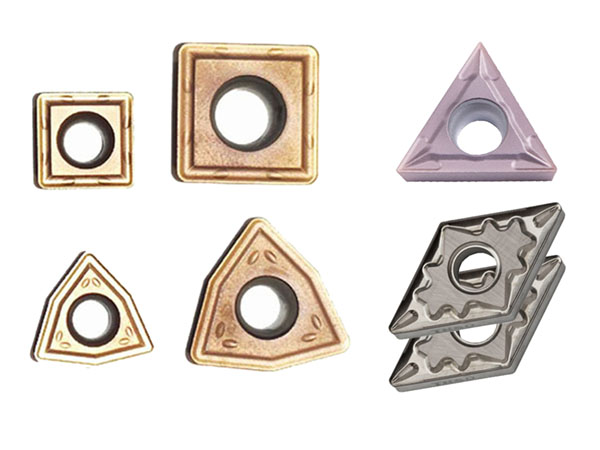
Indexable drill inserts, available in square, triangular, rhombic, and hexagonal shapes, improve stability, chip evacuation, and tool life. Made from carbide, ceramics, and CBN, they suit various industries with future trends focusing on better geometry and design.
To improve efficiency and thread quality when using taps, choose the right type for the material. Follow proper techniques to ensure safe, effective, and high-quality thread processing throughout the process.
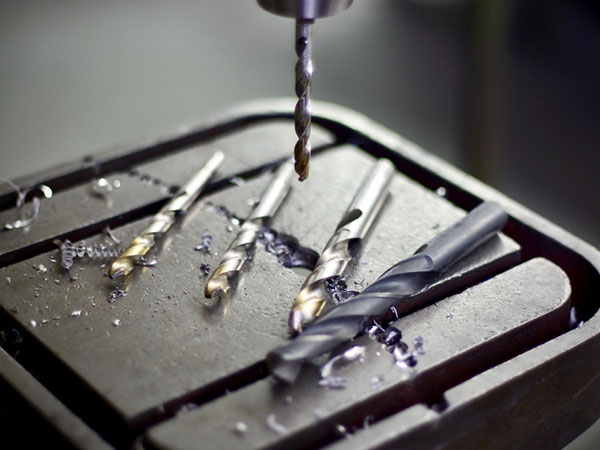
The essence of drill bit hardness lies in a systematic interplay of material science, thermodynamics, and real-world cutting experience. Only by redefining hardness as a dynamic performance network can each cutting revolution become a true leap in productivity.
In modern metalworking, the choice of drill bit material directly impacts both production efficiency and machining quality. Only by adopting a dynamic evaluation mindset can you fully unlock the potential of your tooling strategy—and find the sweet spot where efficiency meets cost control.
In the arena of global precision tool manufacturing, DIN and ISO standards represent two fundamentally different "industrial languages" that influence every step from material selection to process design.
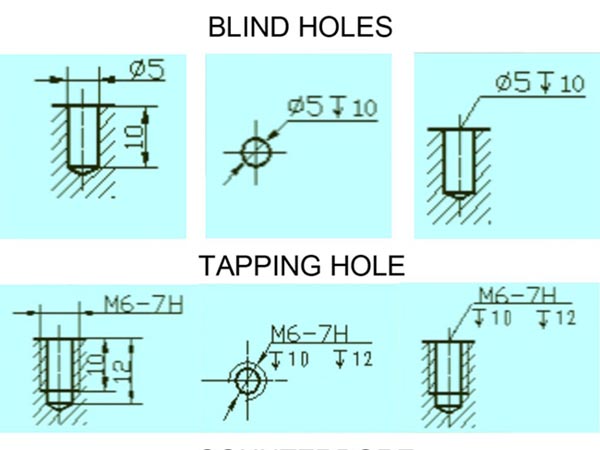
Blind holes, counterbores, and through holes each serve specific functions in engineering and manufacturing, affecting the choice of taps used in the threading process. Selecting the appropriate tap type for each hole ensures efficient threading, enhanced quality, and improved assembly integrity.
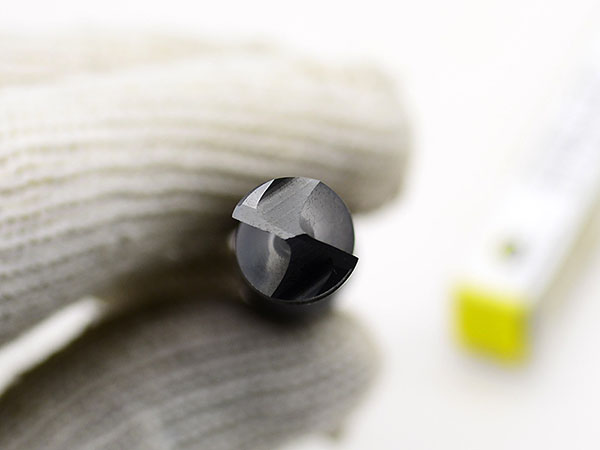
Twist drill geometric parameters (helix/point angles, margin) synergistically affect performance: optimized angles reduce heat/cutting forces, enhance efficiency and tool lifespan.
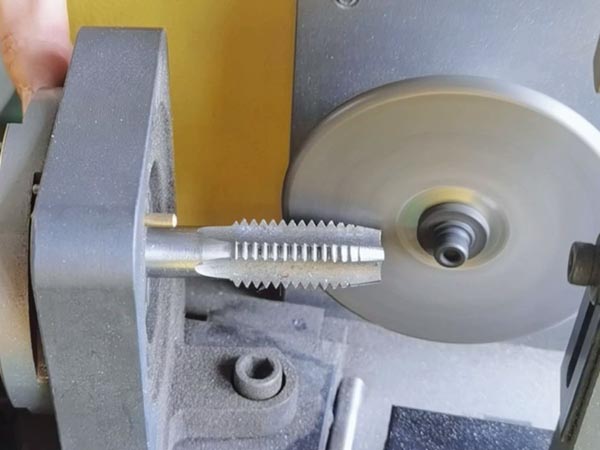
Tap wear causes oversized holes in thread machining. Factors like flank wear, cutting speed, and material hardness contribute to this. Using advanced materials, optimizing parameters, and improving cooling can reduce wear and improve efficiency.
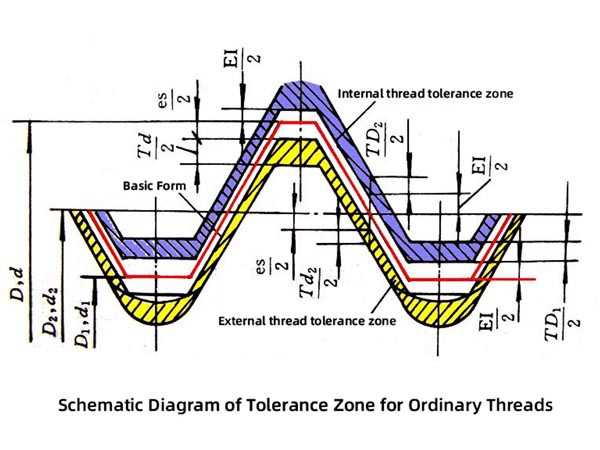
ISO 965 is an international standard for tolerance requirements of metric screw threads, ensuring interchangeability and compatibility in mechanical engineering. It applies to both external and internal threads across industries.
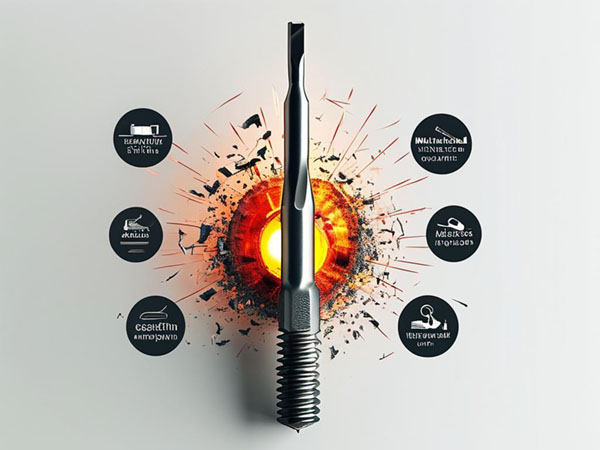
This article analyzes common tap failure modes—wear, breakage, built-up edge, overheating, thread stripping, vibration, and poor chip evacuation—exploring causes and solutions to optimize tap design and usage.
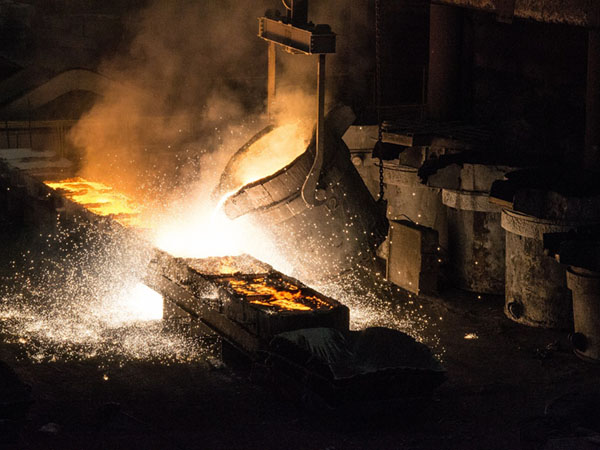
This article provides an in-depth analysis of the advantages, core processes, and practical applications of powder metallurgy in drill bit manufacturing, helping users select more efficient cutting tools.
Previous    Page 3    Next
💬 ✉️