
📈Market & Supply Chain
Stay informed on global market trends, raw material prices (tungsten, tool steel), supply chain dynamics, geopolitical impacts, and non-standard tool customization demand.
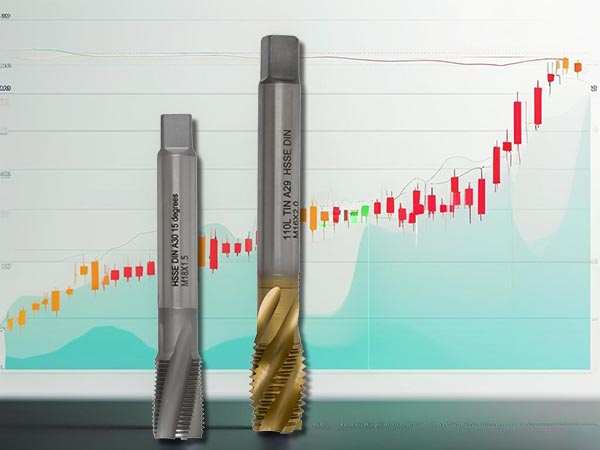
This article offers a deep analysis of market fluctuation characteristics over the past three years, along with a practical guide covering timing strategies, regional sourcing tactics, and technical substitution plans.

Whether it’s the length-to-diameter curse of micro-drills or the flexural limits of taps, they remind us that every industrial breakthrough is a carefully negotiated truce between energy conservation and material thresholds.

When the spire of the Burj Khalifa pierces the desert sky, or the titanium sails of the Sydney Opera House hum quietly in the ocean breeze, people marvel at the imagination of architects—but rarely notice the unsung heroes hidden in the seams of steel: specialized engineering tools.

In the industrial symphony of the workshop, cutting tools are more than cold, rigid instruments of manufacturing—they are carriers of humanity’s millennia-old dialogue with matter.
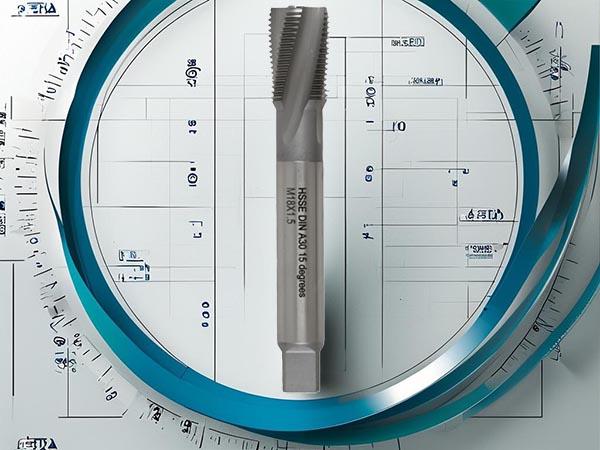
By establishing mapping rules, refining parameter compensation models, and integrating digital verification tools, manufacturers can convert complex custom requirements into manageable production instructions.
Data from 2024 shows that demand for precision cutting tools in high-end sectors such as new energy vehicles and aerospace is growing at an annual rate exceeding 18%, while traditional industries are grappling with the twin pressures of machining efficiency and environmental compliance.

From the banks of the Rhine to the Yangtze River Delta, the century-long migration of the drill bit industry is more than a redrawing of the global production map—it is a profound transformation of technological paths, cost structures, and industrial philosophies.

The ongoing Russia–Ukraine conflict is fundamentally reshaping the underlying logic of the global tungsten supply chain. Forcing the industry to reinvent its workshop processes and global procurement strategies.
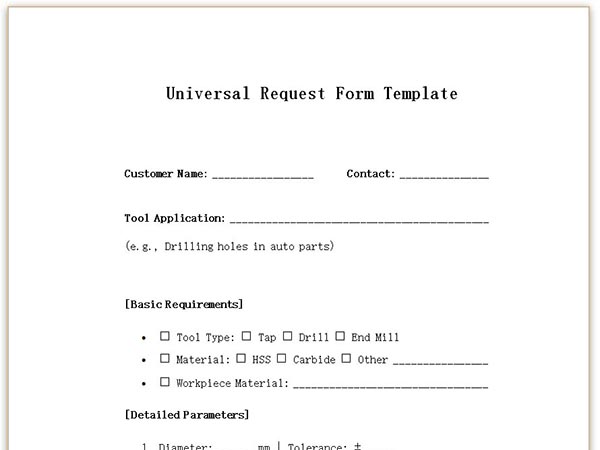
In the realm of custom cutting tool manufacturing, a well-completed request form is the crucial link between design and production. A well-structured non-standard cutting tool request form is both a technical document and a quality contract.
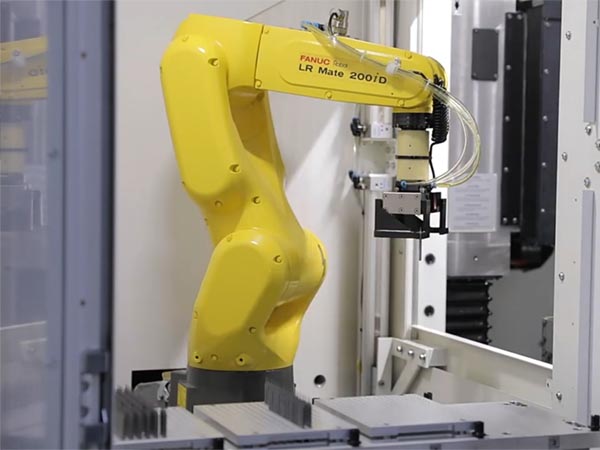
The global HSS cutting tools market has seen steady growth, driven by advancements in manufacturing and rising demand in industries like automotive, aerospace, and general engineering.

The global demand for non-standard tap customization is rising due to precision machining, diverse material needs, and Industry 4.0 trends. This article explores key drivers, advancements, and case studies.