
🔬Materials & Technology
Explore the science behind cutting tools: substrate materials (HSS, carbide, PM), advanced coatings (TiN, TiAlN, AlCrN), heat treatment, and geometric design. Understand how material properties and tool geometry impact performance.
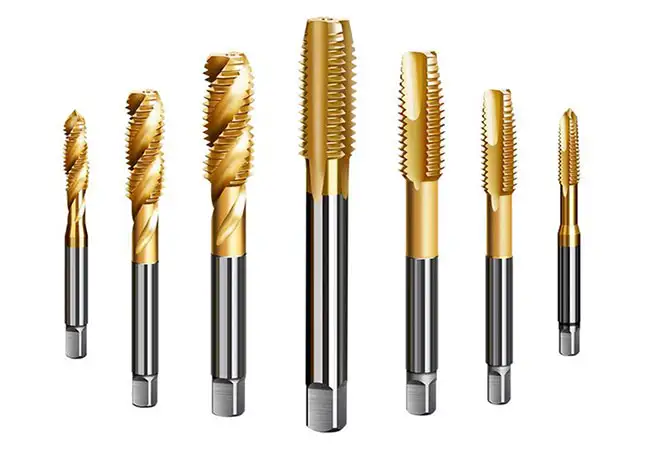
CPM(Critical Particle Metallurgy) taps have become increasingly important in the field of high-precision machining due to their excellent wear resistance, thermal stability, and long service life.
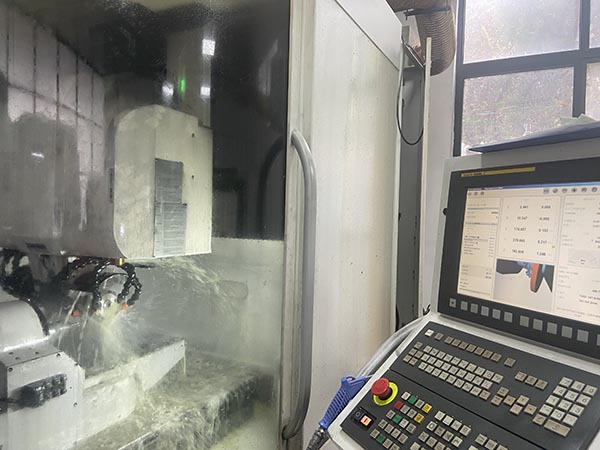
From the microstructure control of specialty steels, to the submicron sculpting of cutting edges, to the atomic-level coating protection—every manufacturing step pushes the boundaries of what’s physically possible in metalworking.
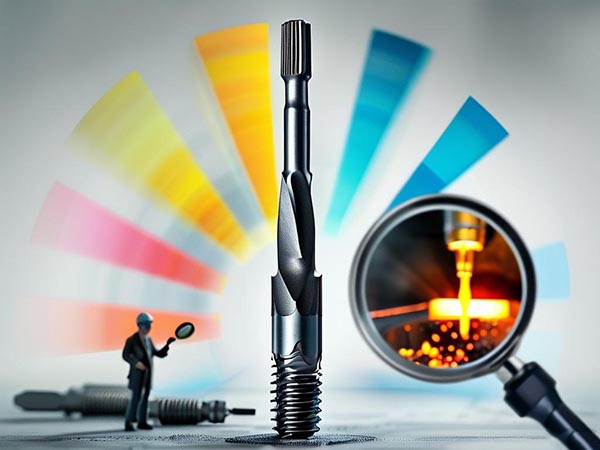
Grounded in the fundamentals of materials science, this study conducts microstructural analysis, cross-process comparison experiments, and global customer case validation to systematically explore how vacuum heat treatment reconstructs the toughness system of high-speed steel (HSS).
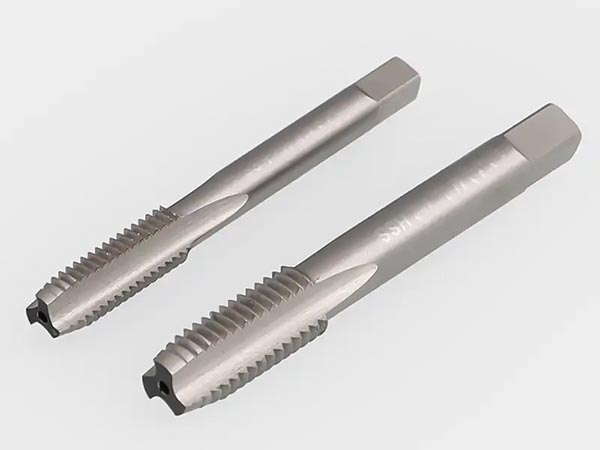
In the global pursuit of manufacturing precision, British Standard threads—namely BSW (British Standard Whitworth) and BSP (British Standard Pipe)—remain time-tested standards in mechanical fastening and fluid sealing.
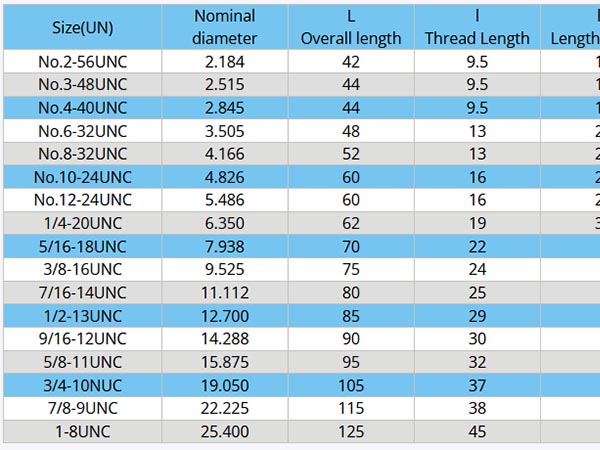
As global manufacturing shifts toward greater precision, American Unified Thread Standards (ANSI/UN) have become essential in mechanical fastening. The dimensional accuracy of these threads directly affects tool performance and equipment reliability.
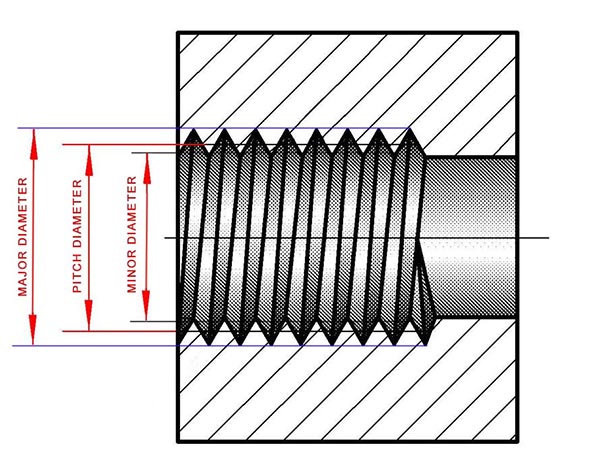
Metric threads are among the most widely used thread standards in machining. For manufacturers and users of metal cutting tools, understanding these parameters is not only fundamental to tool design but also critical to ensuring machining quality.
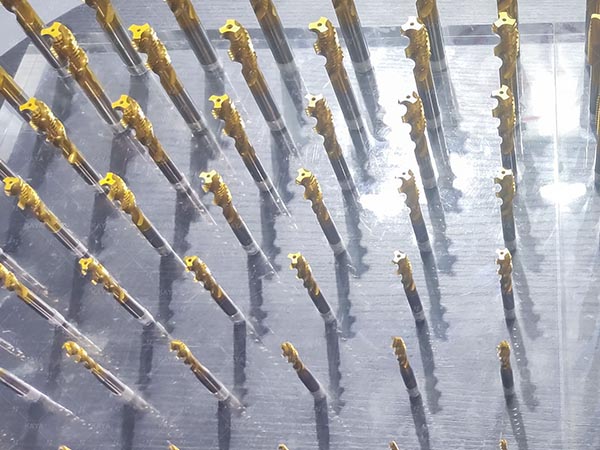
In the ongoing wave of technological evolution in the field of precision machining, High-Speed Steel (HSS) cutting tools have retained an unshakable strategic position.
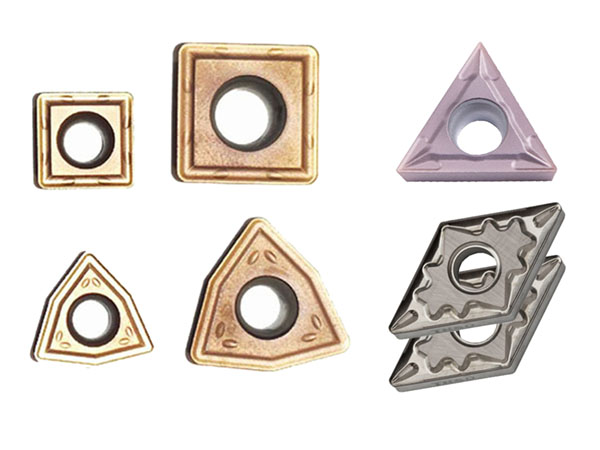
Indexable drill inserts, available in square, triangular, rhombic, and hexagonal shapes, improve stability, chip evacuation, and tool life. Made from carbide, ceramics, and CBN, they suit various industries with future trends focusing on better geometry and design.
In the arena of global precision tool manufacturing, DIN and ISO standards represent two fundamentally different "industrial languages" that influence every step from material selection to process design.
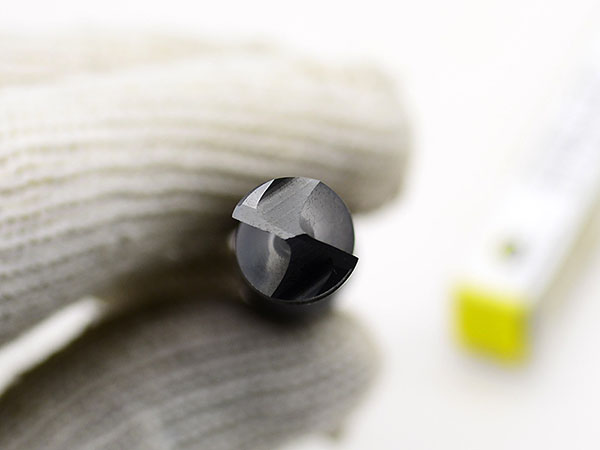
Twist drill geometric parameters (helix/point angles, margin) synergistically affect performance: optimized angles reduce heat/cutting forces, enhance efficiency and tool lifespan.
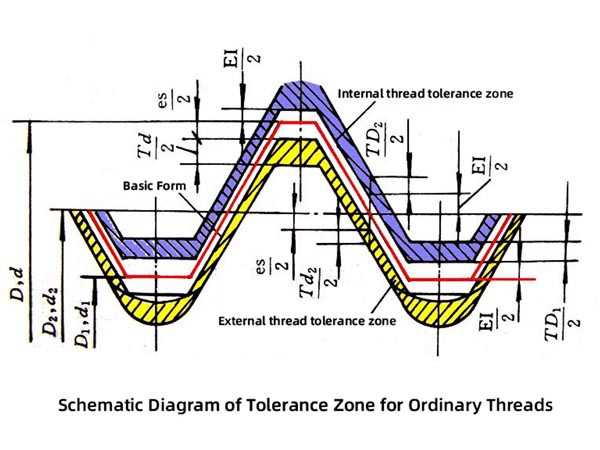
ISO 965 is an international standard for tolerance requirements of metric screw threads, ensuring interchangeability and compatibility in mechanical engineering. It applies to both external and internal threads across industries.
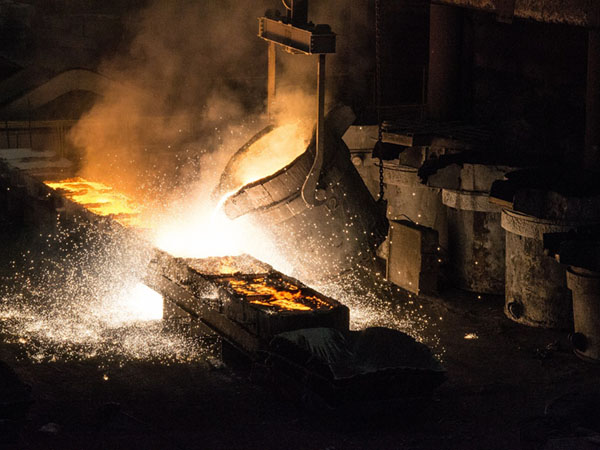
This article provides an in-depth analysis of the advantages, core processes, and practical applications of powder metallurgy in drill bit manufacturing, helping users select more efficient cutting tools.
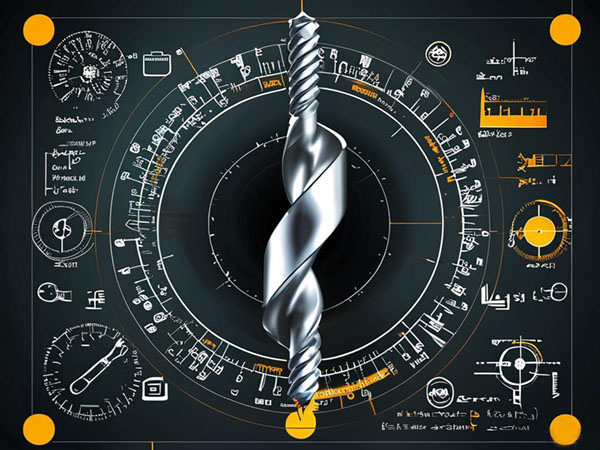
The helix angle of milling cutters influences cutting force, temperature, stability, and surface finish. Selecting and optimizing the helix angle enhances tool life, machining efficiency, and product quality.
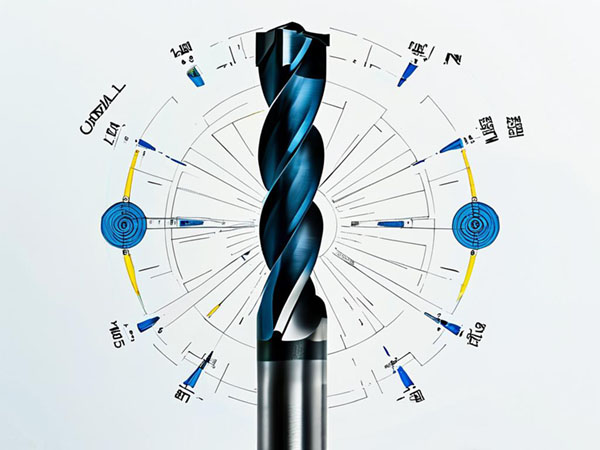
The geometric parameters of milling cutters, including helix angle, number of cutting edges, and flute design, play a crucial role in determining cutting performance, tool life, and surface quality.
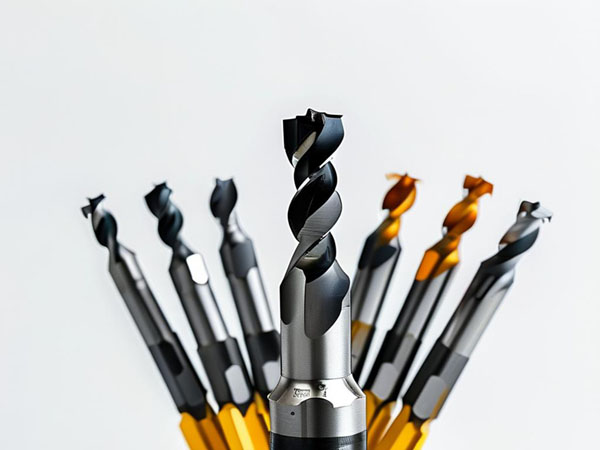
The number of cutting edges in milling tools affects cutting force, efficiency, tool life, and surface finish. Multi-edge cutters increase productivity and reduce pressure on individual edges, but must be chosen based on material type and machining needs.
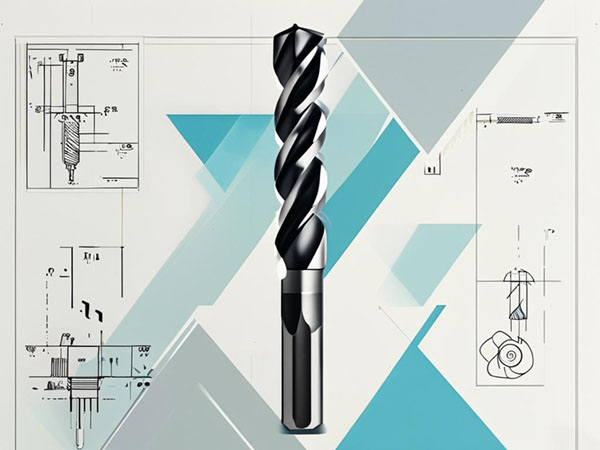
Flute geometry significantly impacts chip removal, cooling, tool stability, and surface finish. Future trends in flute design will focus on intelligent, multifunctional solutions to enhance cutting efficiency and tool life.
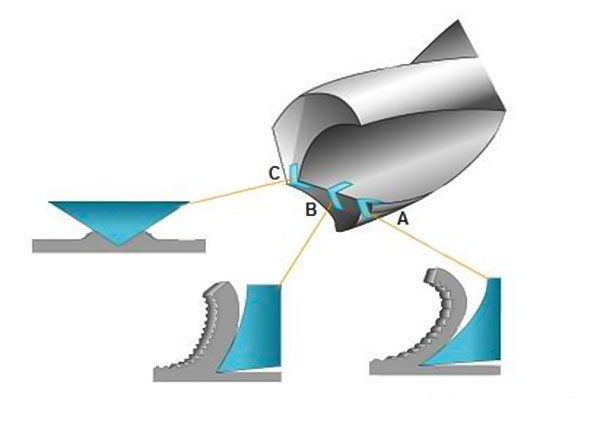
This article covers the shapes of center drills (Type A, B, R, C, chamfer) and their functions. It also explains the coordination of center hole taper angles, tips, and classifications like standard, protective, and threaded.

A flat-end mill, or square end mill, is used for machining flat-bottomed slots, grooves, and profiles. It features square cutting edges, unlike ball end mills, which have rounded edges.
Page 1
Next