PETROCHEMICAL & VALVE MACHINING
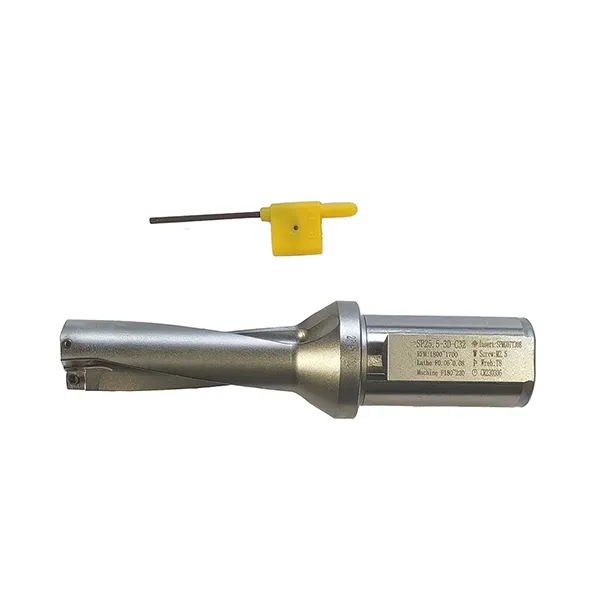
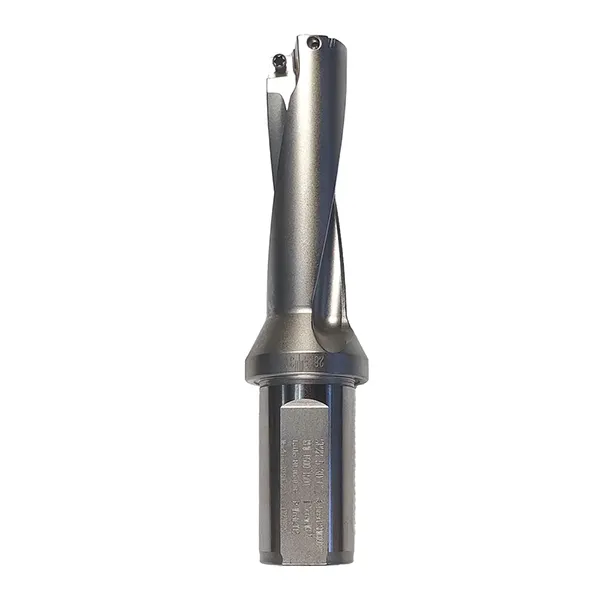
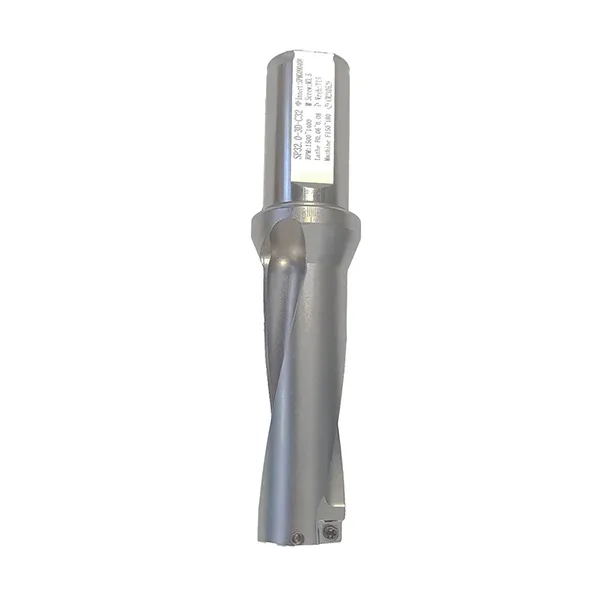
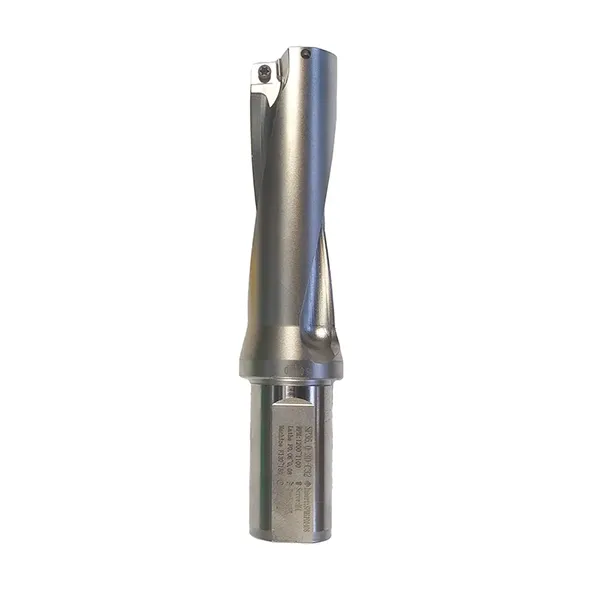
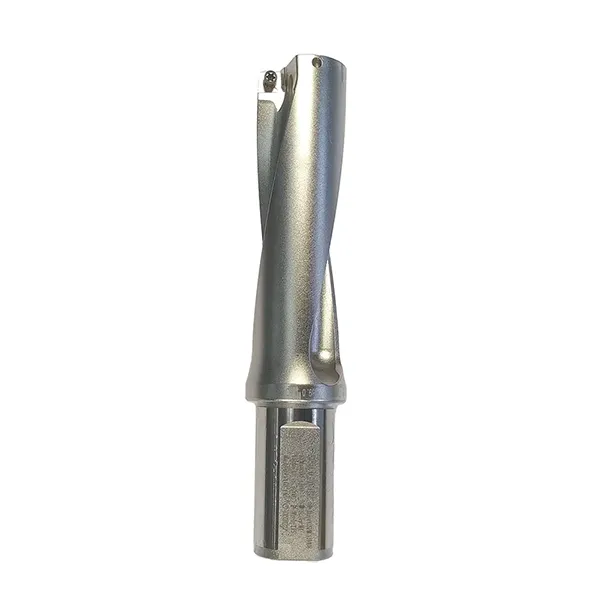
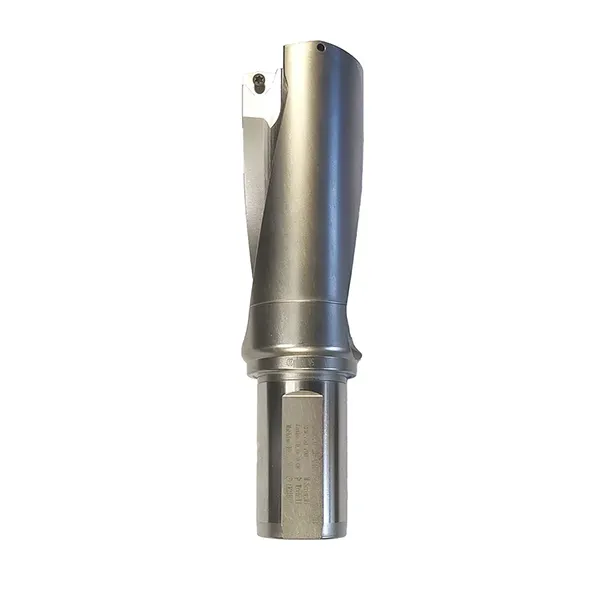
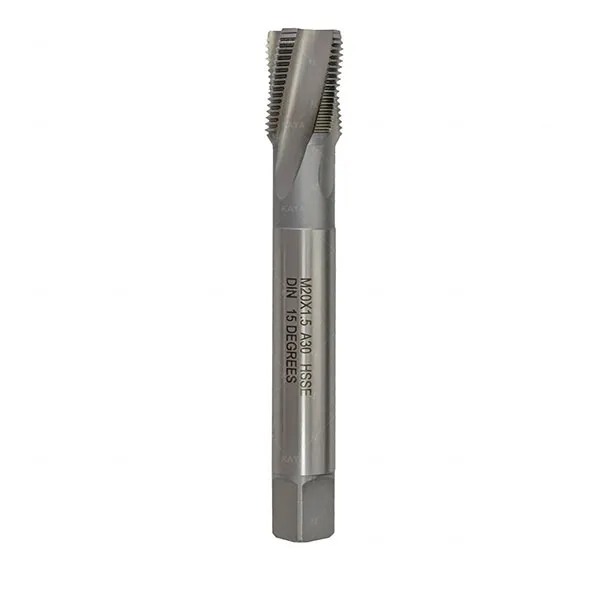
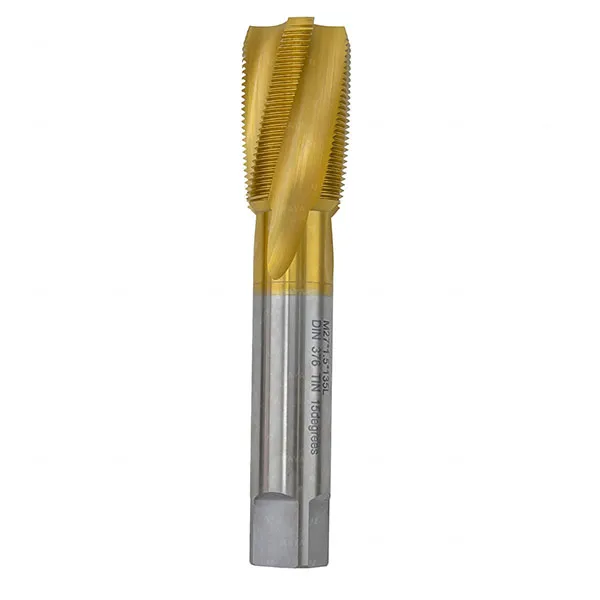
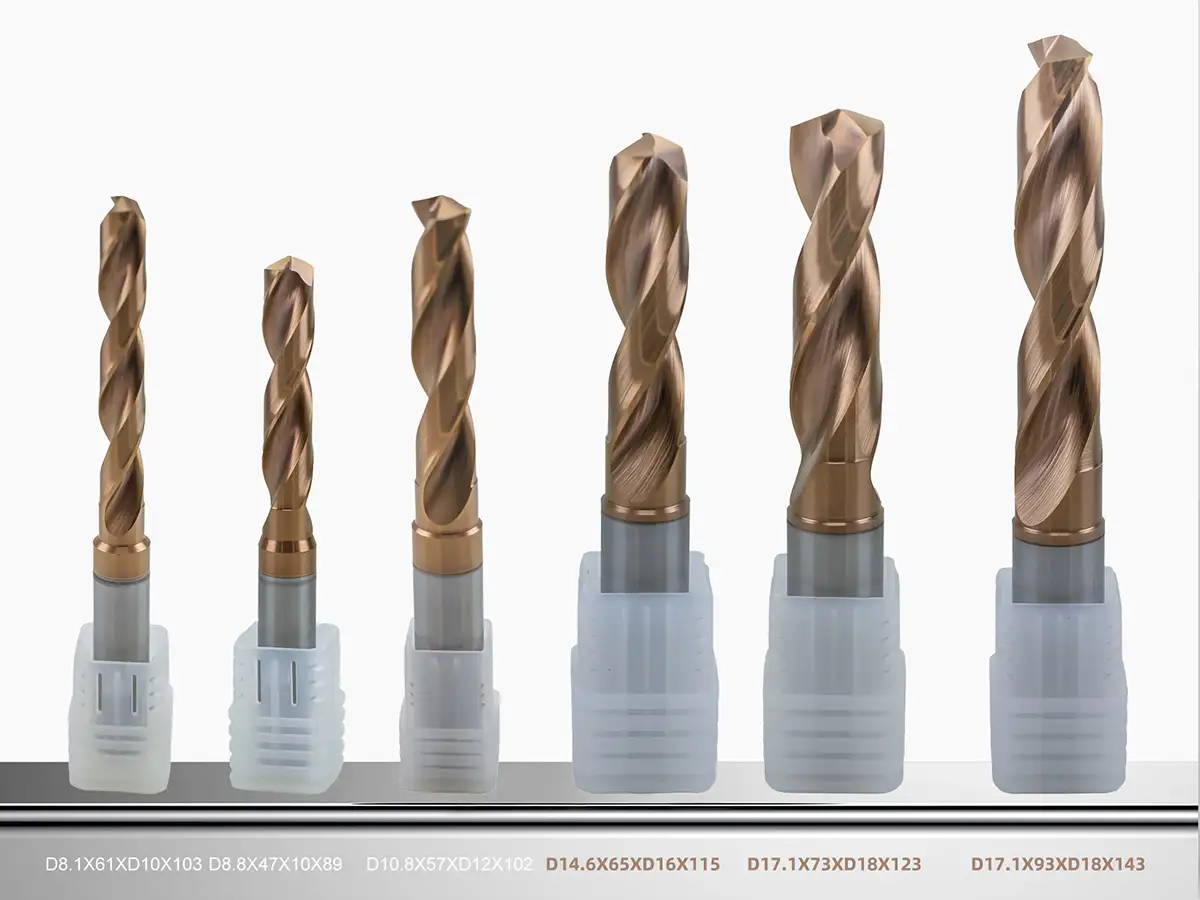
The petrochemical industry involves machining large valve bodies, flanges, pipe fittings, and pump components made from stainless steel, duplex steel (2205, 2507), Inconel 718, Monel, and other corrosion-resistant alloys. These materials are tough, abrasive, and prone to work hardening. Components often require deep hole drilling, large thread tapping (up to M60), and interrupted cuts. KAYA offers robust tooling for heavy stock removal, thread milling, and deep hole drilling. Our carbide drills, U‑drills, thread mills, and taps are designed to withstand extreme conditions. With through-coolant capability and advanced coatings (AlTiN, AlCrN), our tools deliver reliable performance and extended tool life in petrochemical applications.
⚙️ Machining Challenges & KAYA Solutions
Engineered answers for your toughest manufacturing problems
Challenge:
Rapid tool wear when machining duplex stainless steel (2205, 2507).
KAYA Solution:
Use carbide grade K10 with AlTiN coating, solid carbide drills with through‑coolant, reduce speed (10–15 m/min), increase feed (0.08–0.12 mm/rev).
Challenge:
igh torque and tap breakage when tapping large threads (M30–M60) in valve bodies.
KAYA Solution:
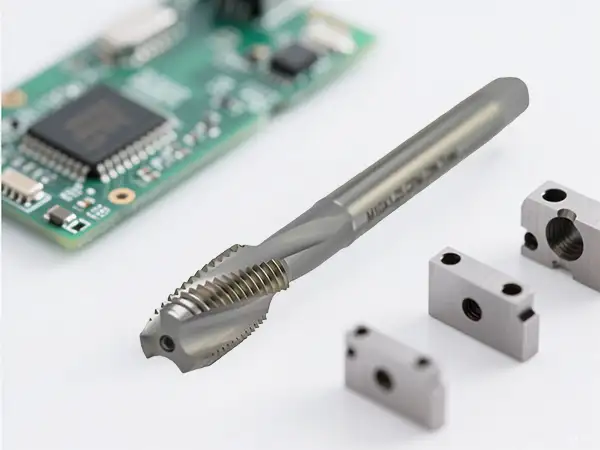
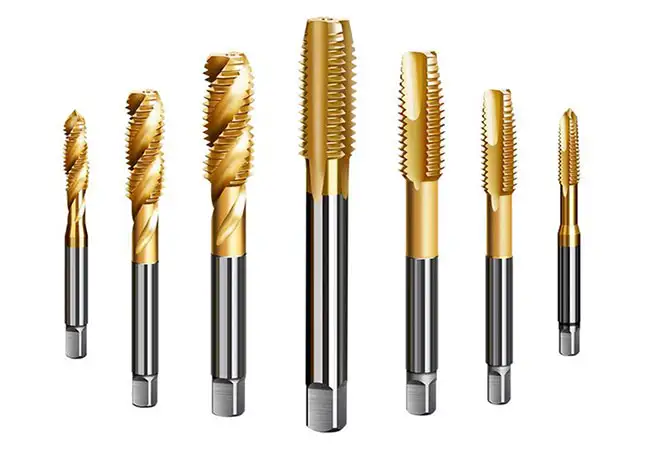
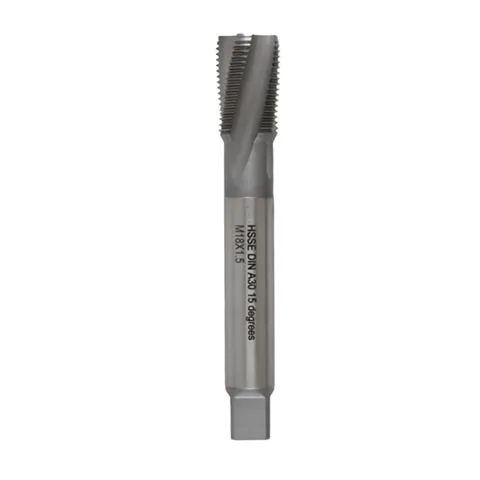
For large diameters, use thread milling (solid carbide thread mills) instead of tapping. For tapping, use HSSE‑PM spiral point taps with steam oxide coating.
Challenge:
Chip evacuation difficulty in deep flange holes (>8×D).
KAYA Solution:
Use gundrills or through‑coolant carbide drills with pecking cycles; high‑pressure coolant (300–500 psi). For Ø18–50 mm shallow holes (2–4×D), indexable U‑drills are cost‑effective.
Challenge:
Interrupted cuts cause edge chipping on Inconel 718.
KAYA Solution:
Use ceramic inserts or carbide with AlTiN coating, low speed (10 m/min), high feed (0.05 mm/rev), and avoid dwell.
Challenge:
Thread galling when tapping API threads in corrosion‑resistant alloys.
KAYA Solution:
Use special thread geometry with increased relief, CrN or AlCrN coating, and high‑quality thread cutting oil.
Challenge:
Poor surface finish in large diameter boring operations (valve bodies).
KAYA Solution:
Use adjustable boring bars with carbide tipped inserts, apply damped boring bars for deep bores, and use positive rake geometries.