
🔍Selection & Diagnostics
Get practical guidance on choosing the right tap, drill, or mill for your workpiece material and machining conditions. Plus, troubleshoot common failures: breakage, wear, oversize threads, and vibration.

By comparing CPM taps and ordinary HSS taps in detail, we can see the differences in materials, durability, machining efficiency, and more.

By matching tap grade and geometry to material characteristics—and by tuning cutting conditions and coatings—you can substantially improve outcomes.

Focusing on core issues such as local adaptation to international standards, preventive control of failure modes, and cross-cultural quality management, this study offers practical, actionable pathways for cutting tool companies to enhance product quality.

As cross-border e-commerce demands greater supply chain transparency, this lightweight, scenario-driven inspection model may soon become standard equipment for small and medium-sized manufacturers seeking to break through.

Based on the material characteristics of HSS (High-Speed Steel) and the principles of cutting mechanics, this article systematically outlines a quantifiable and user-friendly visual inspection system.

This guide systematically analyzes actionable operational standards and preventive measures based on the characteristics of cutting tool manufacturing processes, covering material management, equipment operation, and quality control.

This article unveils the multiple causes behind drill bit bluing, from microscopic oxidation reactions to common operational mistakes, offering a systematic scientific analysis and actionable prevention strategies.
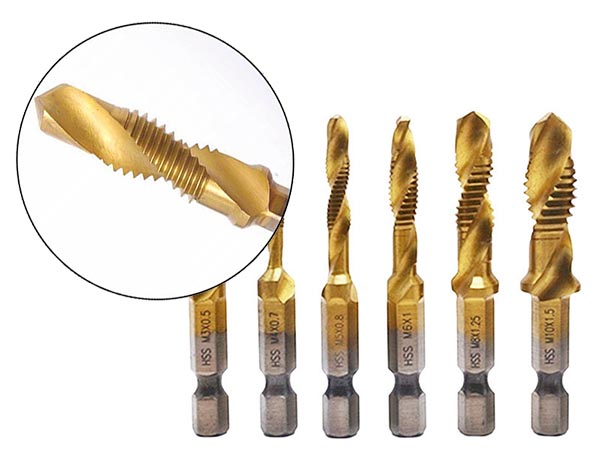
Remember: the key to a perfect thread isn’t the tap’s price tag, but its resonance with the machining environment. When temperature, spindle speed, and material align in a golden triangle, true thread quality takes shape.
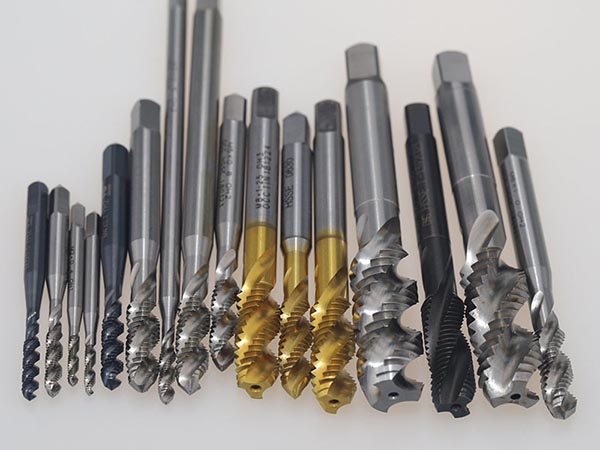
Remember: a good drill bit isn’t about price—it’s about fit. The bits that auto-correct misalignment, handle multiple operations, and absorb machine vibrations are what truly empower small shops to thrive amid uncertainty.

Whether dealing with thin-walled EV motor parts or precision threads in orthopedic implants, mastering the underlying principles and applying parameter adjustments flexibly ensures stable, high-efficiency threading.
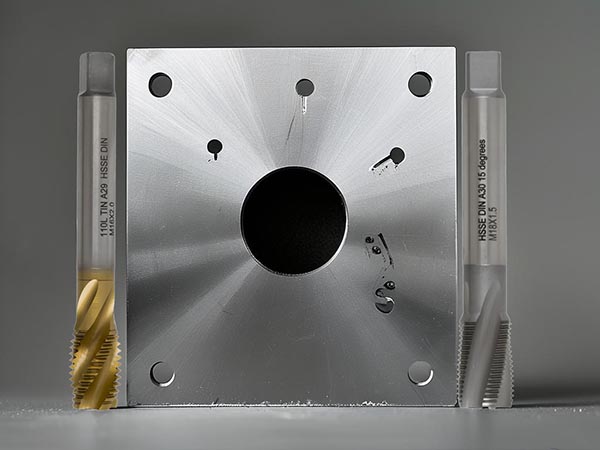
Titanium alloys are increasingly used in aerospace and medical applications due to their exceptional strength-to-weight ratio. Choosing the right coating for titanium machining is a delicate balance between materials science and real-world engineering practice.
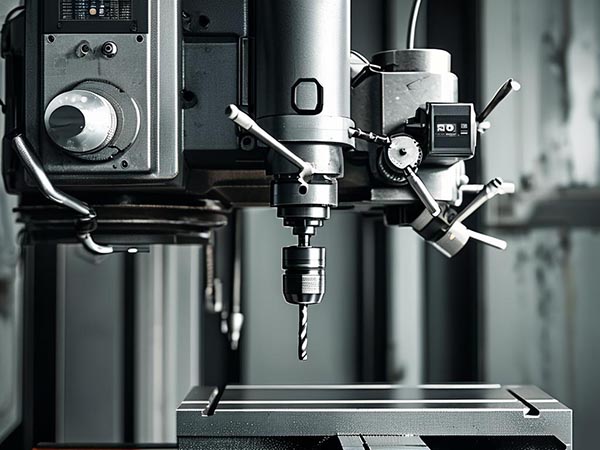
The apparent competition between drill bits and laser drilling reveals a central truth: the value of manufacturing technology lies not in its absolute advancement but in its contextual fit.
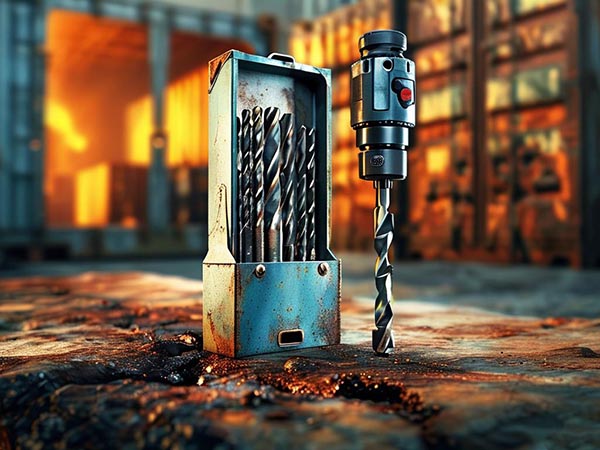
This article presents clear insights—like the container dew cycle, regional storage red flags, and a flashlight-based visual inspection method—to help eliminate 90% of common storage-related damage.

Drill bit selection is ultimately about striking a dynamic balance between material characteristics, machining parameters, and real-world conditions. Buyers are encouraged to create a sustainable, optimized selection system—unlocking a dual breakthrough in both productivity and cost control.
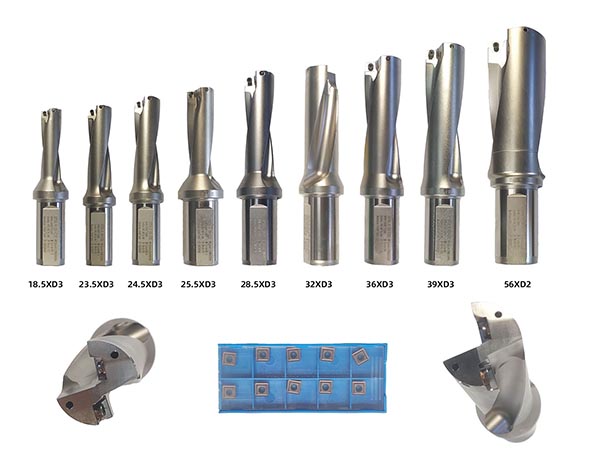
The ultimate value of a cutting tool lies in its precision fit with the machining scenario. Comparative analysis reveals that indexable inserts excel in rapid changeovers and small-batch production due to cost efficiency, while solid drills offer superior consistency for high-volume operations.
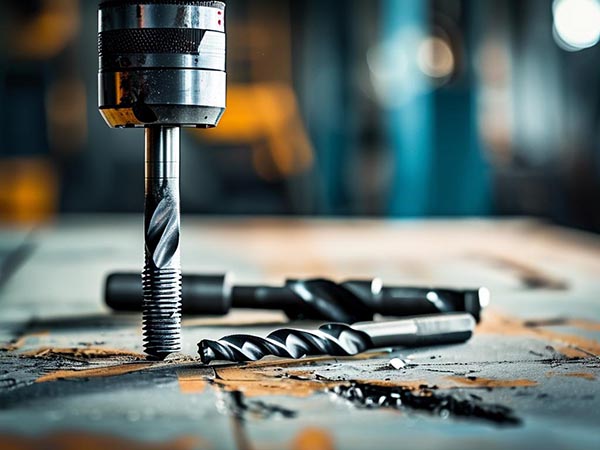
This article explores the synergistic effects of microstructural control, gradient coating design, and stress optimization. By harnessing cross-disciplinary innovation, we reveal how tool life and stability can be simultaneously enhanced, offering robust solutions for high-difficulty machining scenarios.

This article systematically analyzes the mechanical essence of workholding and unveils vibration control logic—from shop floor practices to advanced technologies—to provide proven solutions for diverse machining scenarios.

From lab results to shop floor application, the tool life-extending benefits of eco-friendly coolants are well-proven. By lowering friction, regulating temperature, and enhancing chip evacuation, HSS taps and carbide tools achieve 25–40% longer life spans.
Page 1
Next