
🔬Materials & Technology
Explore the science behind cutting tools: substrate materials (HSS, carbide, PM), advanced coatings (TiN, TiAlN, AlCrN), heat treatment, and geometric design. Understand how material properties and tool geometry impact performance.

A spiral point tap, or gun tap, is a threading tool for metals. Its flutes spiral at a specific angle along the axis, like a spiral flute tap, but it differs in purpose and design, focusing on chip clearance.

Through the following image, we can clearly see the positive effect of tool coating on cutting. Each coating has specific advantages for different applications, depending on the material being machined and the operating conditions.

A twist drill bit is a common, versatile tool used for drilling holes in materials like metal, wood, and plastic. Its spiral flutes twist around the body, helping to remove material as it rotates.

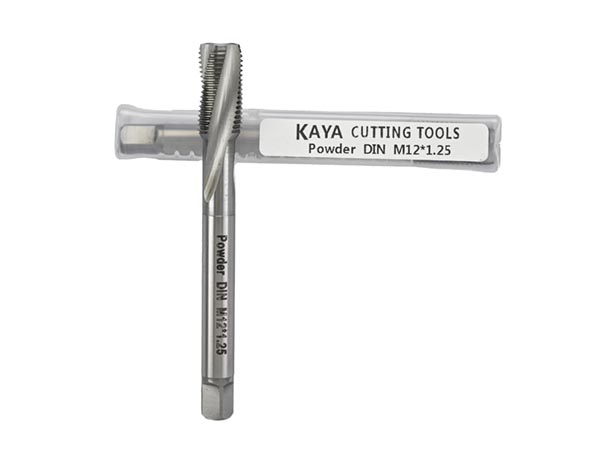
The DIN classification of taps, based on the German Industrial Standard, specifies types, applications, and structures. It helps users select the right tap for their needs, including thread form, material, and use.

Tungsten steel drill bits are vital tools in various industries due to their exceptional hardness, wear resistance, and high-temperature stability. Their superior performance in metalworking, construction, mining, automotive, and aerospace applications makes them indispensable, despite their high cost and supply challenges.

Milling tool geometry, including helix angle, number of cutting edges, and flute design, plays a crucial role in machining efficiency. Proper selection and optimization enhance performance, tool life, and surface quality.
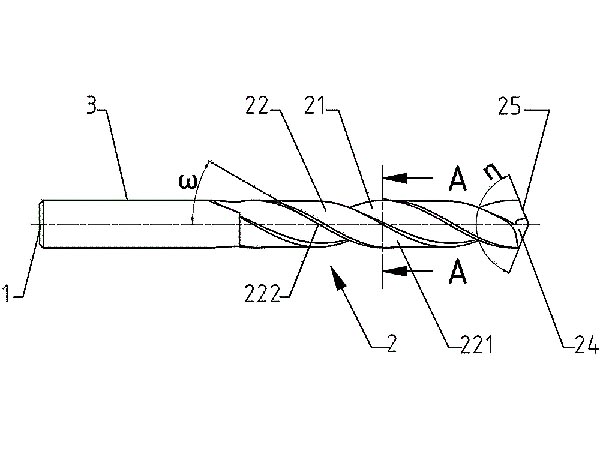
This overview covers the structure and function of twist drill bits, including components like the spiral flute, drill tip, cutting edges, body diameter, and chip removal flute, all contributing to efficient, accurate drilling.
HSSE is cost-effective for routine applications but may have lower efficiency and longevity. HSSE-PM requires a higher initial investment but offers better performance and longer tool life, leading to greater cost efficiency in high-stress production.
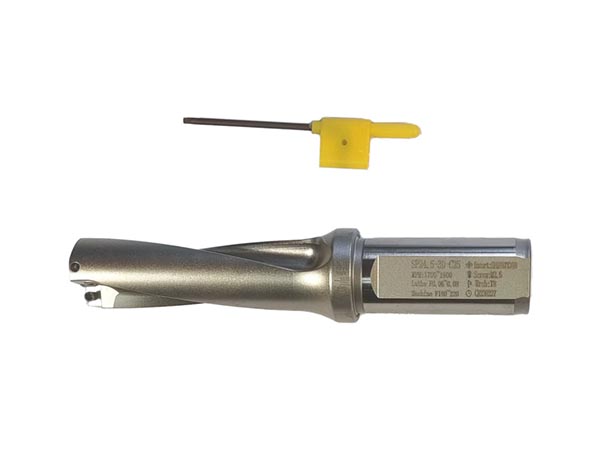
An indexable U drill features an indexable design, U-shaped structure, multiple cutting edges, and efficient chip evacuation. It's versatile, cost-effective, precise, and adaptable to automation for enhanced productivity.
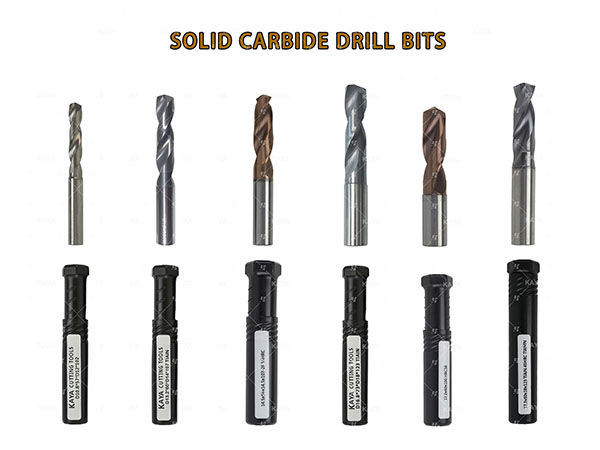
Solid tungsten carbide drill bits are used for drilling tough, abrasive materials. Known for their hardness, durability, and heat resistance, they outperform standard HSS bits in demanding drilling applications.
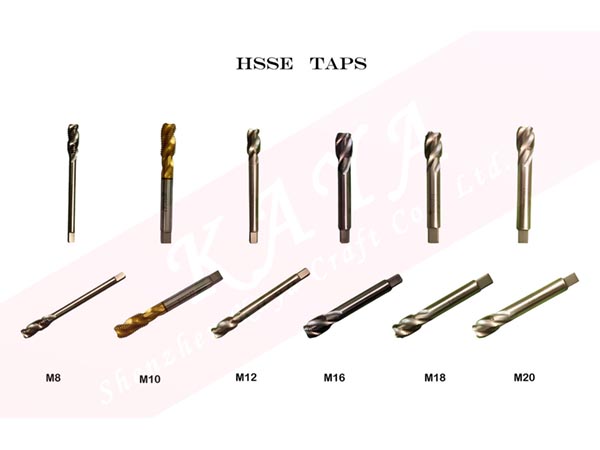
An HSSE tap is a High-Speed Steel with Cobalt (HSS-E) tap, designed for high-temperature cutting. Cobalt enhances its properties, making HSSE taps ideal for threading holes in metals and other materials.
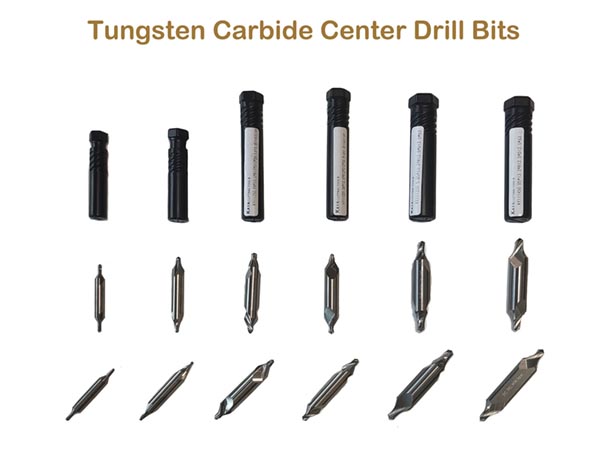
Center drill bits, or countersink drills, create small conical depressions or "center holes" in a workpiece. These holes serve as starting points for other machining operations like drilling, turning, or grinding.
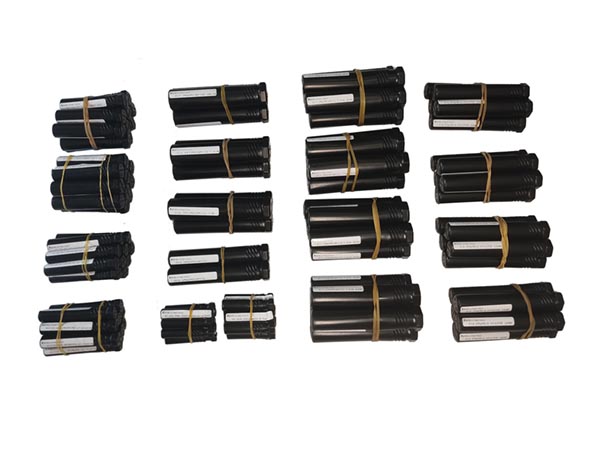
A drill bit is a tool for creating cylindrical holes in materials like metal, wood, plastic, and concrete. Available in various sizes, materials, and designs, it suits diverse drilling applications.
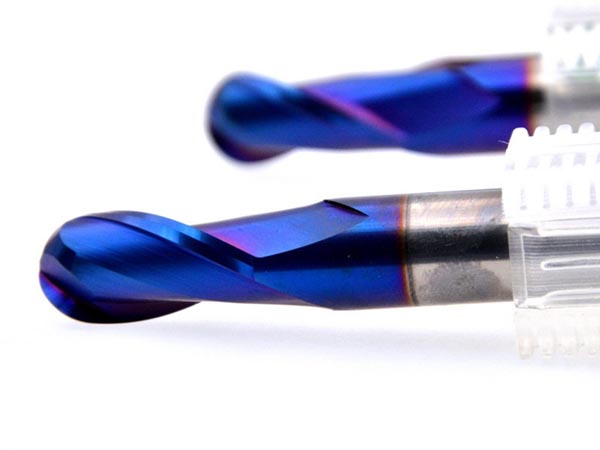
A ball nose end mill is a milling cutter with a spherical cutting end, used for machining contoured surfaces, curved profiles, and 3D shapes. It's ideal for creating intricate and curved features.

A milling cutter is a rotary tool used in milling machines to remove material with multiple cutting edges. It’s essential for shaping, contouring, and creating features on materials like metal, plastic, and wood.
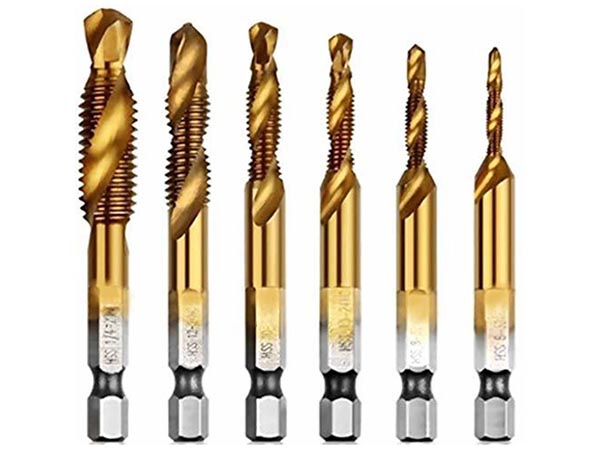
A multi-function tap is a versatile tool combining multiple tasks in one operation, saving time and effort. Its specific features and functions vary based on its design and intended purpose.
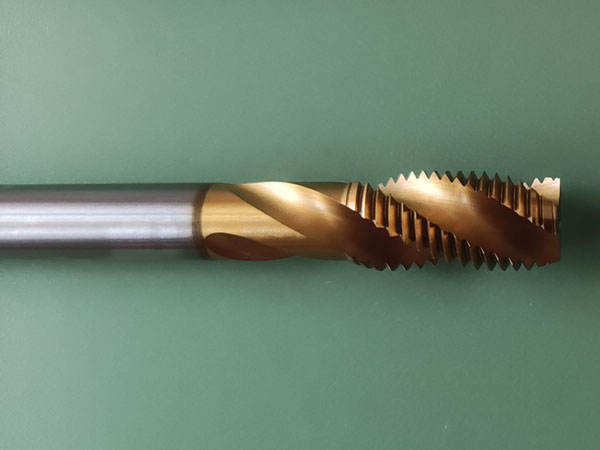
A spiral flute tap, or spiral point tap, is a threading tool for materials like metal and plastic. Its flutes spiral up the tap at a shallow angle, distinguishing it from straight flute taps.
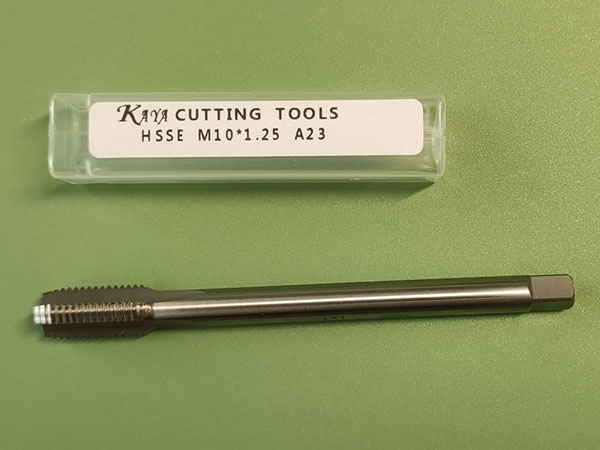
A straight flute tap, or parallel tap, is a threading tool for materials like metal, plastic, or wood. Its flutes run straight along the axis, unlike spiral flute taps, whose flutes spiral at an angle.
Previous
Page 2