Articles
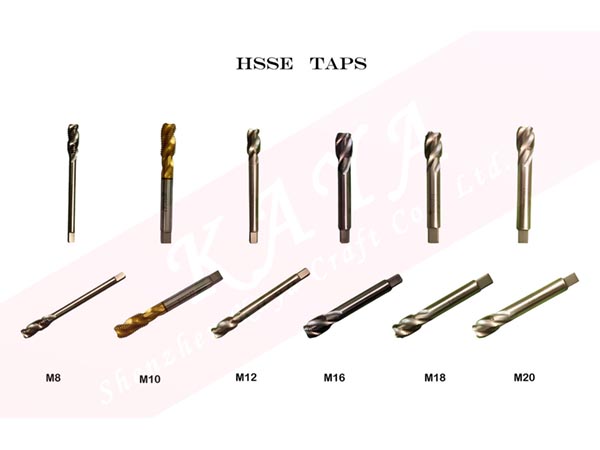
HSSE and HSSE-PM taps offer precision, durability, and heat resistance, making them ideal for thread cutting in electronic components. Their versatility with metals and plastics ensures high efficiency in precision manufacturing.
Milling tool geometry, including helix angle, number of cutting edges, and flute design, plays a crucial role in machining efficiency. Proper selection and optimization enhance performance, tool life, and surface quality.
The EV industry requires specialized taps for machining diverse materials like aluminum alloys, titanium, and carbon composites. Carbide, HSS, coated, and powdered metallurgy taps enhance precision, efficiency, and tool longevity in electric motor, battery pack, and structural component production.
The global demand for non-standard tap customization is rising due to precision machining, diverse material needs, and Industry 4.0 trends. This article explores key drivers, advancements, and case studies.
This article examines tap applications in materials like carbon steel, alloy steel, stainless steel, aluminum, titanium alloys, cast iron, and composites. It covers material properties, recommended tap materials, coatings, industrial uses, and machining tips to enhance threading quality and efficiency.
HSSE M35 taps excel in machining precision threads for medical devices like implants, surgical tools, and stents. Their durability, heat resistance, and anti-adhesion properties ensure high-quality results, supporting stringent medical standards.
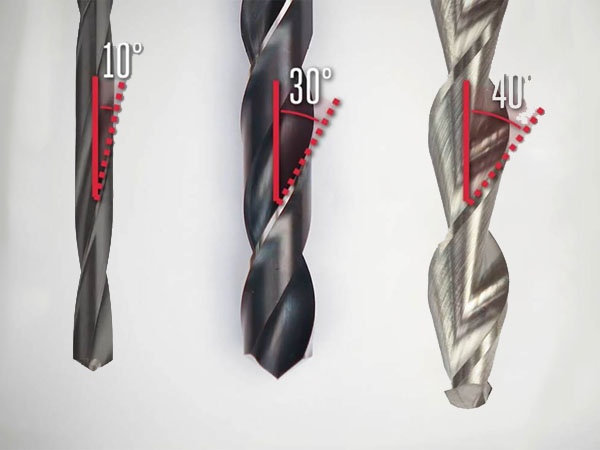
This article explores the importance of drill bit spiral angles in hole processing, covering fixed and variable angles. It discusses material suitability, cutting conditions, and how to optimize chip removal, cutting forces, and hole precision.
Drill breakage can result from factors like improper cutting parameters, poor material quality, insufficient cooling, unstable workpiece fixation, and operator error. Regular maintenance and proper technique improve drill performance.
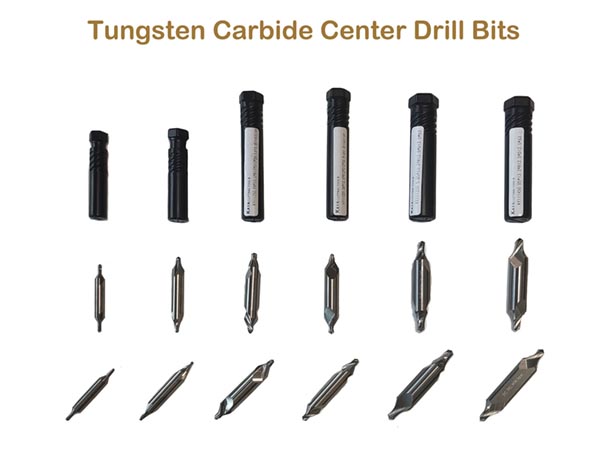
Choosing the right drill angles, controlling speed, and regular tool maintenance ensure precision with center drills. Cooling, lubrication, secure clamping, and proper drill size enhance efficiency, tool life, and accuracy.
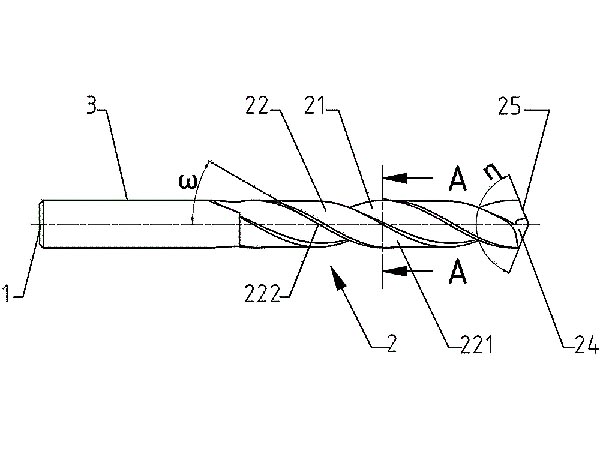
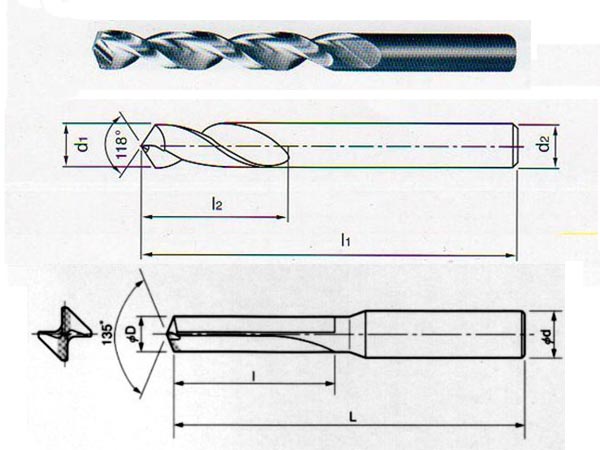
This overview covers the structure and function of twist drill bits, including components like the spiral flute, drill tip, cutting edges, body diameter, and chip removal flute, all contributing to efficient, accurate drilling.
From aluminum alloys to titanium alloys, from old bench drills to five-axis machining centers, the choice of drill point angle follows a golden rule: achieving a perfect balance of cutting forces among material, machine, and process parameters.
HSSE is cost-effective for routine applications but may have lower efficiency and longevity. HSSE-PM requires a higher initial investment but offers better performance and longer tool life, leading to greater cost efficiency in high-stress production.
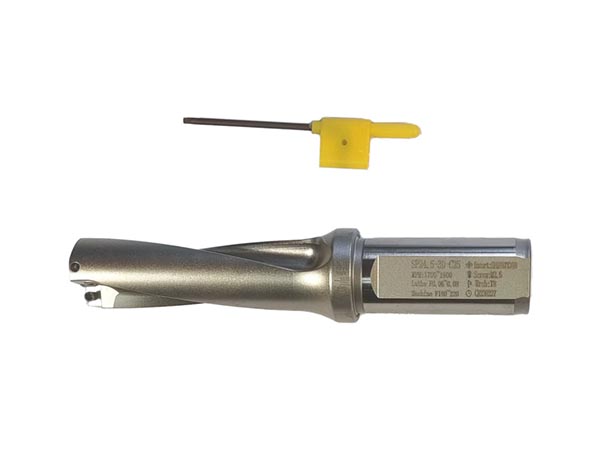
An indexable U drill features an indexable design, U-shaped structure, multiple cutting edges, and efficient chip evacuation. It's versatile, cost-effective, precise, and adaptable to automation for enhanced productivity.
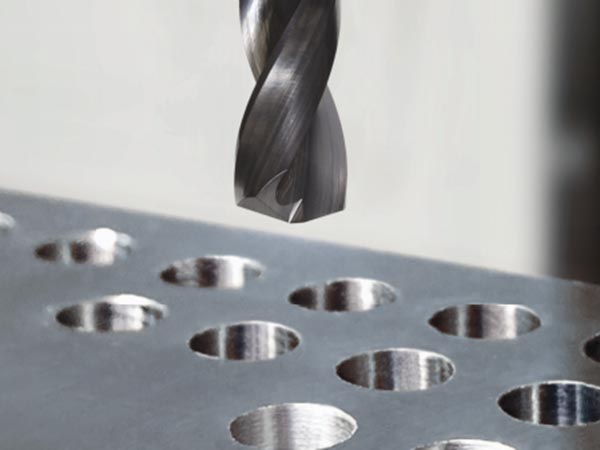
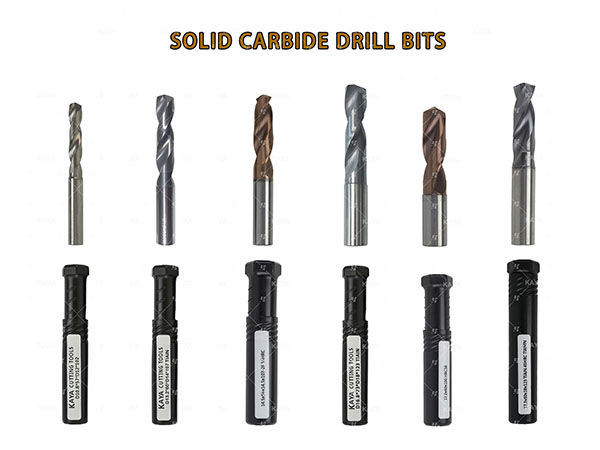
Solid tungsten carbide drill bits are used for drilling tough, abrasive materials. Known for their hardness, durability, and heat resistance, they outperform standard HSS bits in demanding drilling applications.
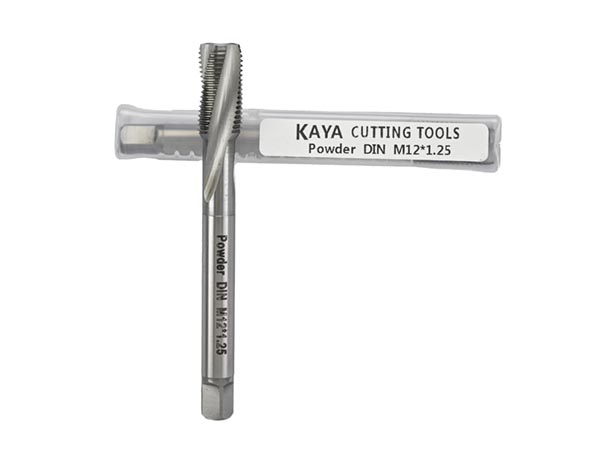
An HSSE tap is a High-Speed Steel with Cobalt (HSS-E) tap, designed for high-temperature cutting. Cobalt enhances its properties, making HSSE taps ideal for threading holes in metals and other materials.
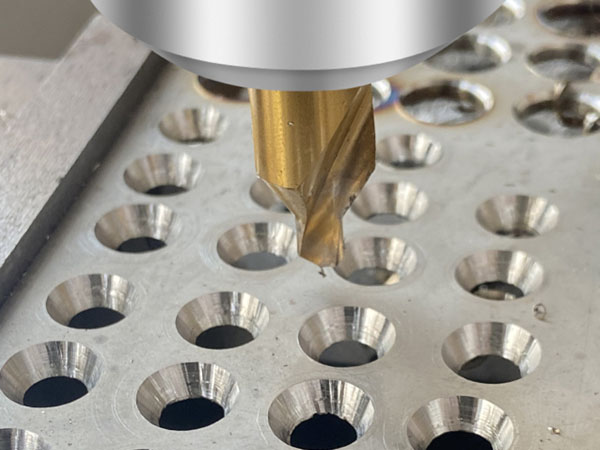
Center drill bits, or countersink drills, create small conical depressions or "center holes" in a workpiece. These holes serve as starting points for other machining operations like drilling, turning, or grinding.
A drill bit is a tool for creating cylindrical holes in materials like metal, wood, plastic, and concrete. Available in various sizes, materials, and designs, it suits diverse drilling applications.
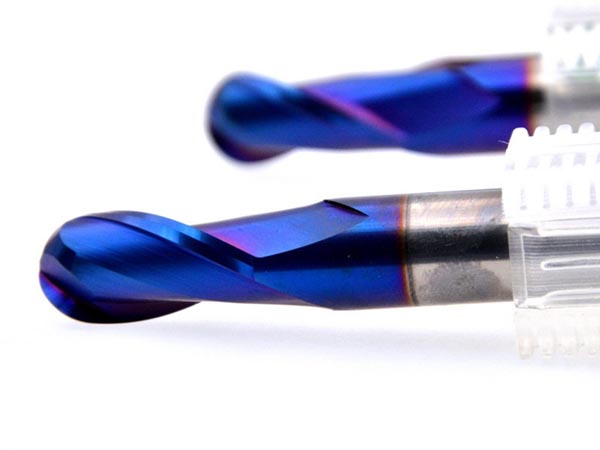
A ball nose end mill is a milling cutter with a spherical cutting end, used for machining contoured surfaces, curved profiles, and 3D shapes. It's ideal for creating intricate and curved features.
Previous    Page 5    Next
💬 ✉️