
🔍Selection & Diagnostics
Get practical guidance on choosing the right tap, drill, or mill for your workpiece material and machining conditions. Plus, troubleshoot common failures: breakage, wear, oversize threads, and vibration.

This article focuses on the lifecycle cost comparison between solid carbide drills and brazed drills, analyzing differences in material waste, process characteristics, and global logistics risks.
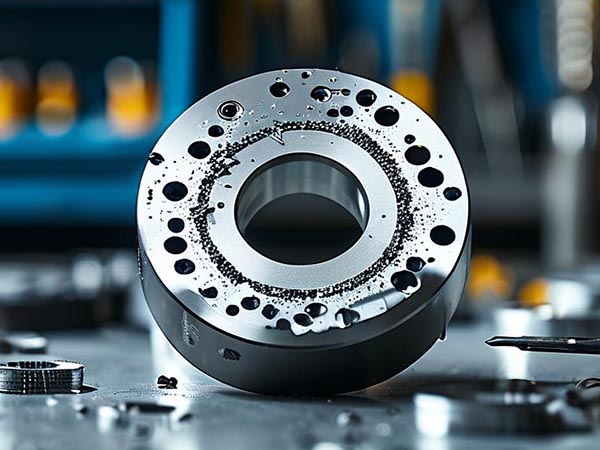
Common drilling Issues include: burrs, hole diameter deviation etc. Drawing from metal cutting principles and shop-floor experience, this article presents a systematic set of solutions spanning drill bit selection to process control.

This article, grounded in material failure theory and real-world shop practices, presents a systematic response plan—covering everything from shallow fractures at millimeter depths to fully embedded deep failures.
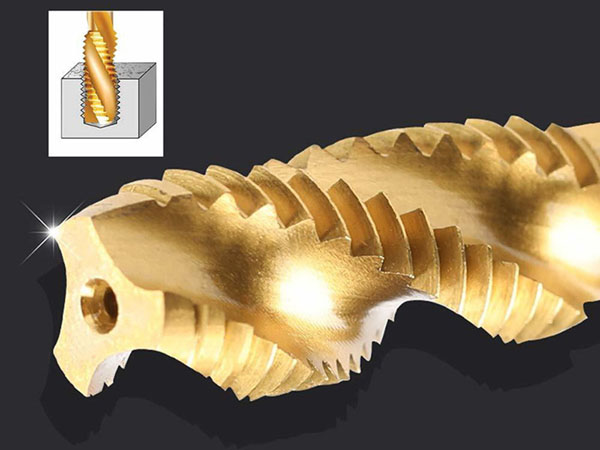
Coated taps, with coatings like TiN, TiAlN, and AlCrN, enhance tool life, reduce friction, and improve cutting stability in high-temperature and dry cutting environments, making them ideal for machining difficult materials.
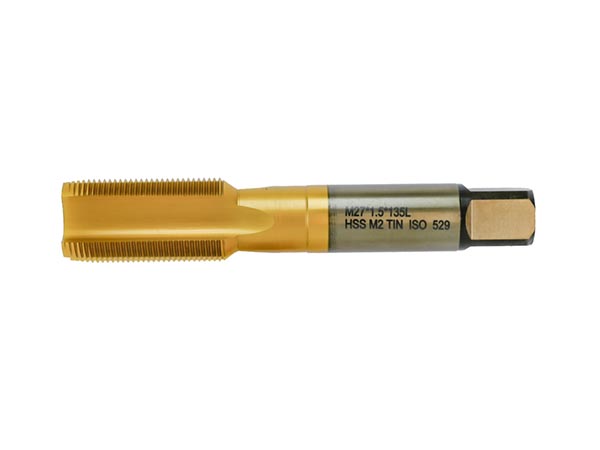
M2 and M42 high-speed steels are both excellent, but M42 is preferred for high-temperature or high-speed cutting, offering an advantage over M2 in those situations. The choice depends on the specific application.
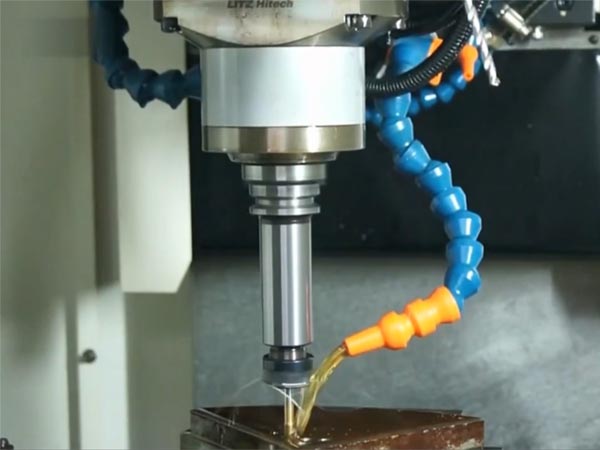
To improve efficiency and thread quality when using taps, choose the right type for the material. Follow proper techniques to ensure safe, effective, and high-quality thread processing throughout the process.
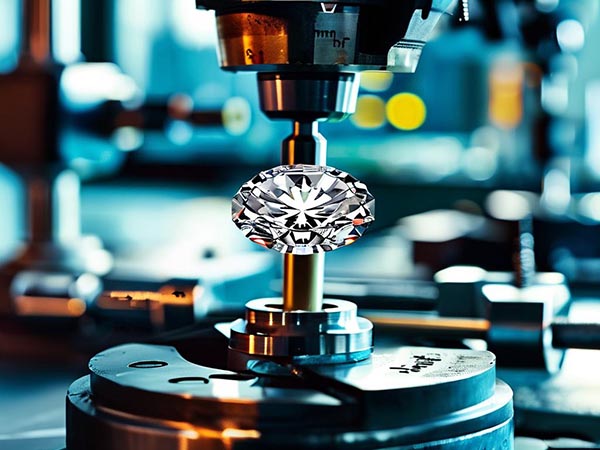
The essence of drill bit hardness lies in a systematic interplay of material science, thermodynamics, and real-world cutting experience. Only by redefining hardness as a dynamic performance network can each cutting revolution become a true leap in productivity.
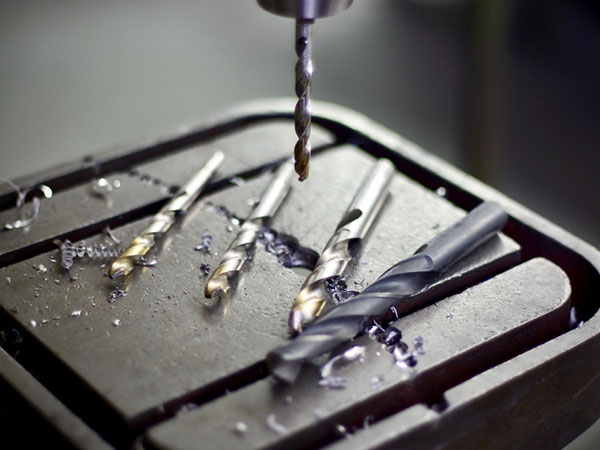
In modern metalworking, the choice of drill bit material directly impacts both production efficiency and machining quality. Only by adopting a dynamic evaluation mindset can you fully unlock the potential of your tooling strategy—and find the sweet spot where efficiency meets cost control.
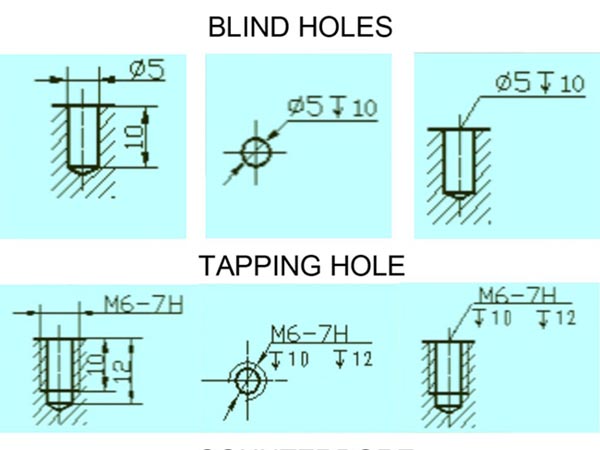
Blind holes, counterbores, and through holes each serve specific functions in engineering and manufacturing, affecting the choice of taps used in the threading process. Selecting the appropriate tap type for each hole ensures efficient threading, enhanced quality, and improved assembly integrity.
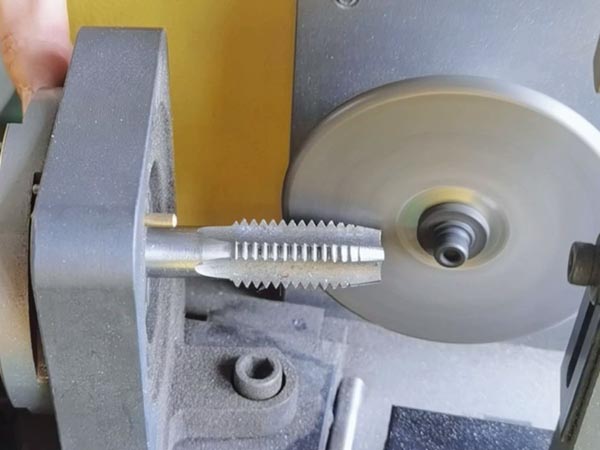
Tap wear causes oversized holes in thread machining. Factors like flank wear, cutting speed, and material hardness contribute to this. Using advanced materials, optimizing parameters, and improving cooling can reduce wear and improve efficiency.
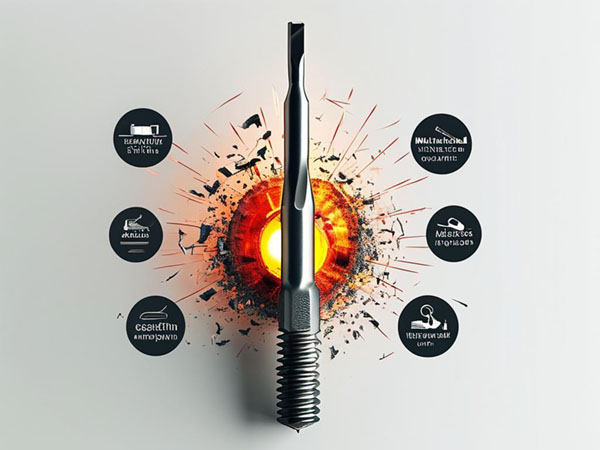
This article analyzes common tap failure modes—wear, breakage, built-up edge, overheating, thread stripping, vibration, and poor chip evacuation—exploring causes and solutions to optimize tap design and usage.
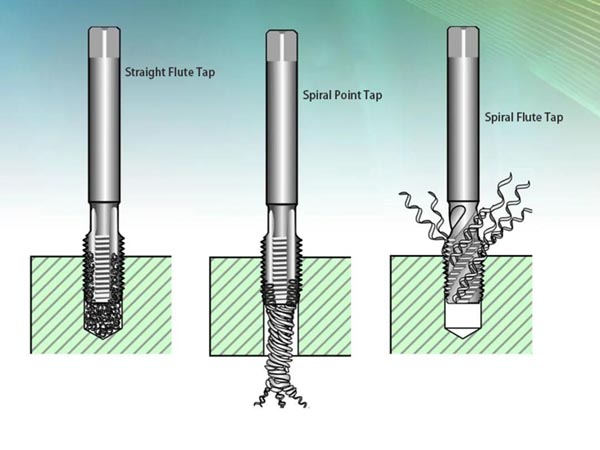
Choosing the right tap for thread tapping is essential for quality and efficiency. The tap design impacts cutting performance, chip removal, and thread precision, with different types suited for various materials and applications.

HSSE taps provide benefits like longer tool life, superior wear resistance, and high heat tolerance. Their optimized cutting performance ensures precise threading, reducing secondary operations and improving efficiency.

Drills and end mills serve different functions in machining, with drills excelling in hole-making and end mills in surface cutting and complex shapes. The choice depends on precision, efficiency, and material.

This article examines tap applications in materials like carbon steel, alloy steel, stainless steel, aluminum, titanium alloys, cast iron, and composites. It covers material properties, recommended tap materials, coatings, industrial uses, and machining tips to enhance threading quality and efficiency.
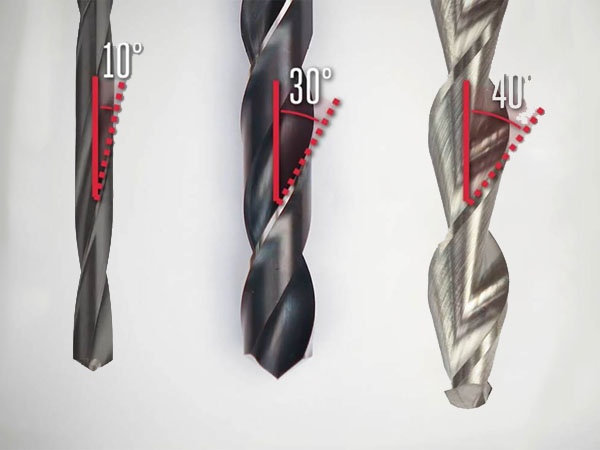
This article explores the importance of drill bit spiral angles in hole processing, covering fixed and variable angles. It discusses material suitability, cutting conditions, and how to optimize chip removal, cutting forces, and hole precision.
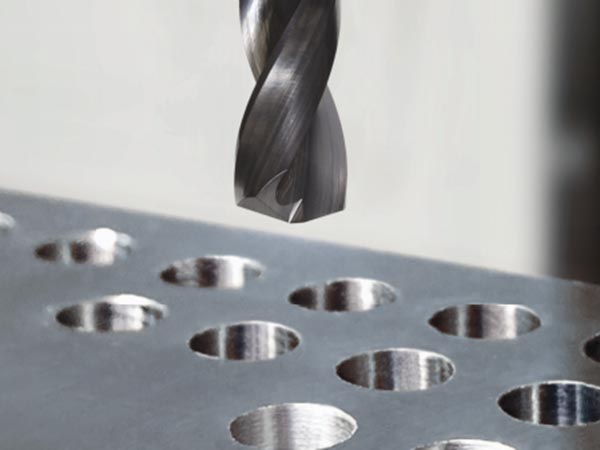
Drill breakage can result from factors like improper cutting parameters, poor material quality, insufficient cooling, unstable workpiece fixation, and operator error. Regular maintenance and proper technique improve drill performance.
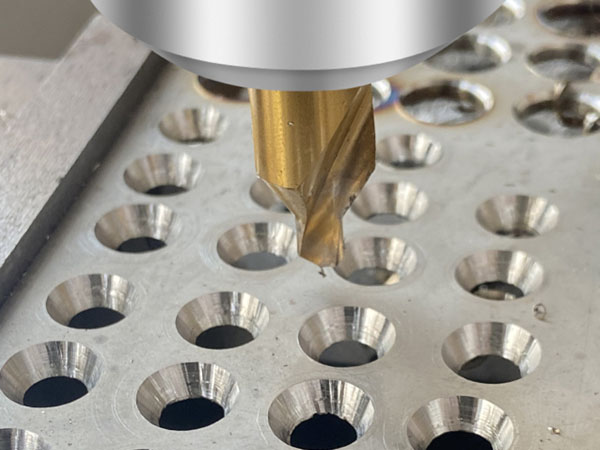
Choosing the right drill angles, controlling speed, and regular tool maintenance ensure precision with center drills. Cooling, lubrication, secure clamping, and proper drill size enhance efficiency, tool life, and accuracy.