-
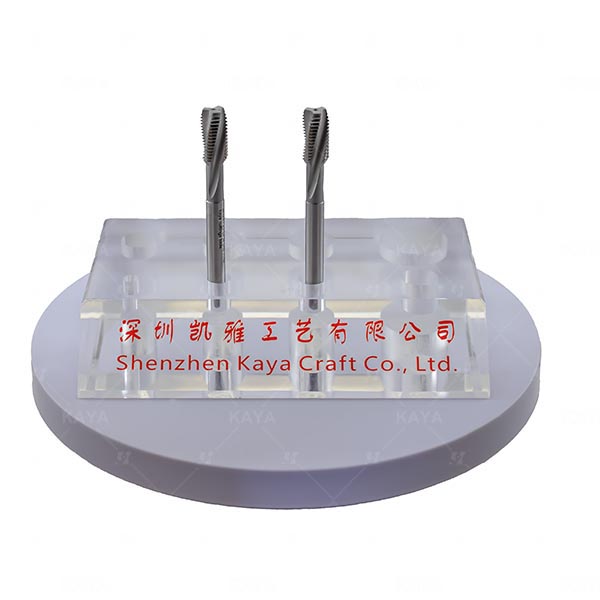
High-Speed Steel (HSS) taps are made from a special type of tool steel that is designed to withstand high temperatures and maintain sharpness under demanding conditions.
The primary components of HSS taps include: Iron (Fe), Carbon (C), Chromium (Cr), Tungsten (W) and/or Molybdenum (Mo), Vanadium (V), Cobalt (Co) or Others(Such as Nickel (Ni), Manganese (Mn), Silicon (Si)).
-
HSSE taps, made from High-Speed Steel with Cobalt, have a composition similar to HSS taps but with the addition of cobalt. This addition enhances their heat resistance and hardness, making them suitable for more demanding applications.
A typical composition for a common type of HSSE (such as M42) might be:
Iron (Fe): Balance
Carbon (C): 1.0%
Chromium (Cr): 4.0%
Tungsten (W): 6.0%
Molybdenum (Mo): 5.0%
Vanadium (V): 1.5%
Cobalt (Co): 8.0%
-
HSS (High-Speed Steel) taps are versatile and suitable for a wide range of materials due to their hardness, toughness, and resistance to wear and heat. Such as: Mild Steel, Aluminum, Brass, Copper, Plastics, Cast Iron, Bronze, Magnesium, Zinc.
While HSS taps are suitable for many materials, they may not be the best choice for very hard materials like hardened steel, stainless steel, or high-temperature alloys. For these materials, HSSE (High-Speed Steel with Cobalt) or carbide taps might be more appropriate due to their enhanced heat resistance and durability.
-
HSSE (High-Speed Steel with Cobalt) taps are designed for more demanding applications and are suitable for harder and tougher materials due to their enhanced hardness and heat resistance. Such as: Stainless Steel, Titanium Alloys, Hardened Steel, Nickel Alloys, Tool Steel, Inconel and Other Superalloys, Heat-Resistant Alloys, High-Strength Low-Alloy (HSLA) Steel, Difficult-to-Machine Materials.
HSSE taps are specifically designed for harder and more demanding materials where standard HSS taps might fail. They offer superior performance in terms of durability, heat resistance, and cutting ability, making them ideal for high-stress applications and tough materials.
-
HSSE taps are used in industries that require high performance and durability, such as:
Aerospace Industry: Machining high-strength alloys and titanium components.
Medical Industry: Creating threads in stainless steel and titanium for medical implants and devices.
Automotive Industry: High-performance parts requiring precise and durable threading.
Energy Sector: Machining components for turbines, power plants, and oil & gas exploration.
Manufacturing: Precision engineering and tool making where superior hardness and heat resistance are required.
-
HSS taps are used in various industries and applications due to their versatility. Some common uses include:
General Engineering: Creating threads in various components and assemblies.
Automotive Industry: Machining parts like engine components and fasteners.
Aerospace Industry: Fabricating lightweight and high-strength components.
Electronics: Machining housings and heat sinks for electronic devices.
Plumbing and HVAC: Tapping threads in fittings and connectors.